
On February 19-20, 2026, a training session entitled “Women in Peace Processes: Needs and Perspectives for Gagauzia” was held. The event was dedicated to strengthening the role of women in promoting peace, human security, and constructive dialogue at the local level.
The training was attended by women active in various areas of public and community life in Gagauzia—representatives of civil society, local public authorities, teachers, community leaders, specialists involved in social and educational initiatives, representatives of PISA, UN Women, the Swedish Embassy, and CMI. The group’s professional diversity contributed to a comprehensive analysis of regional challenges and the formulation of proposals tailored to local realities.
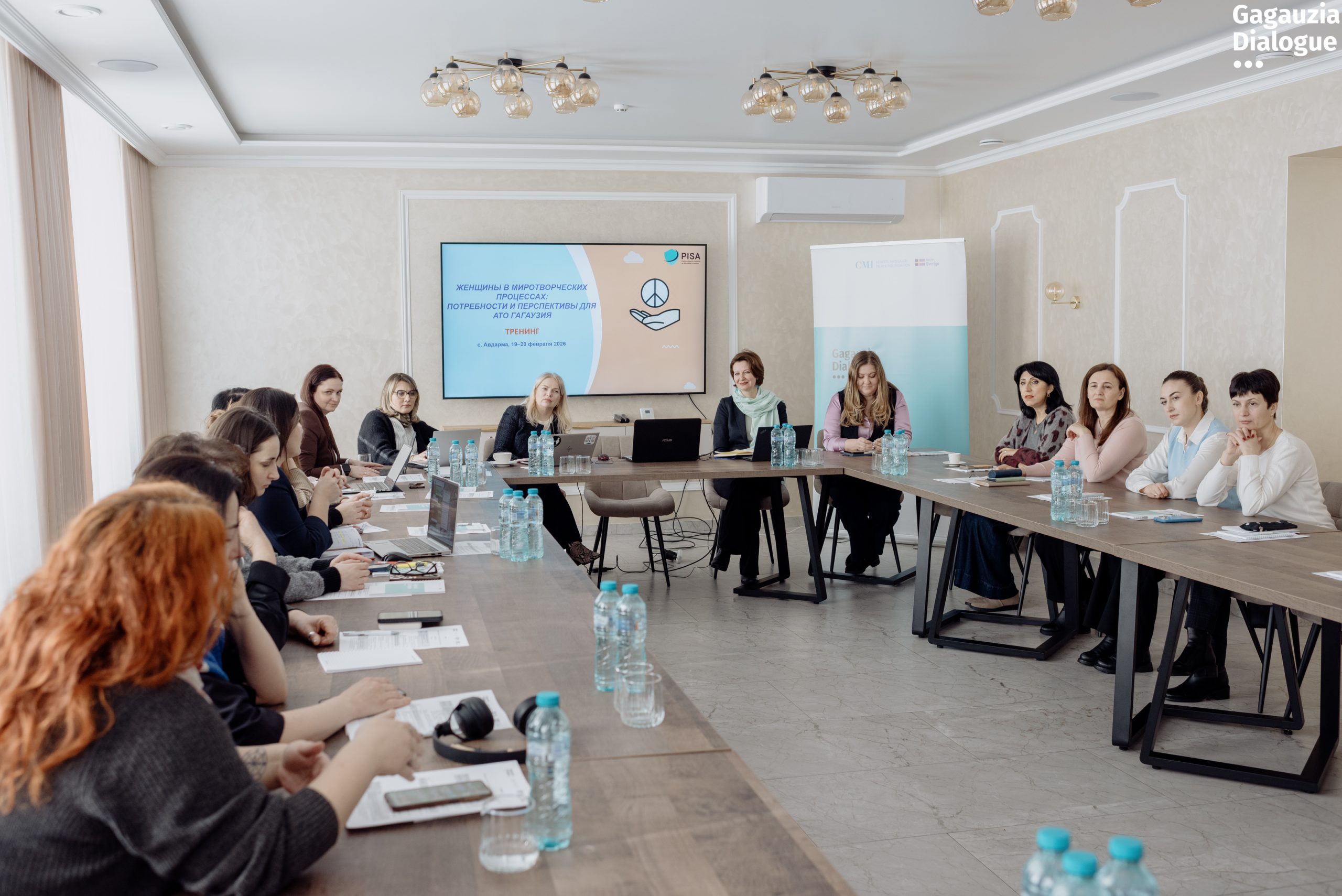
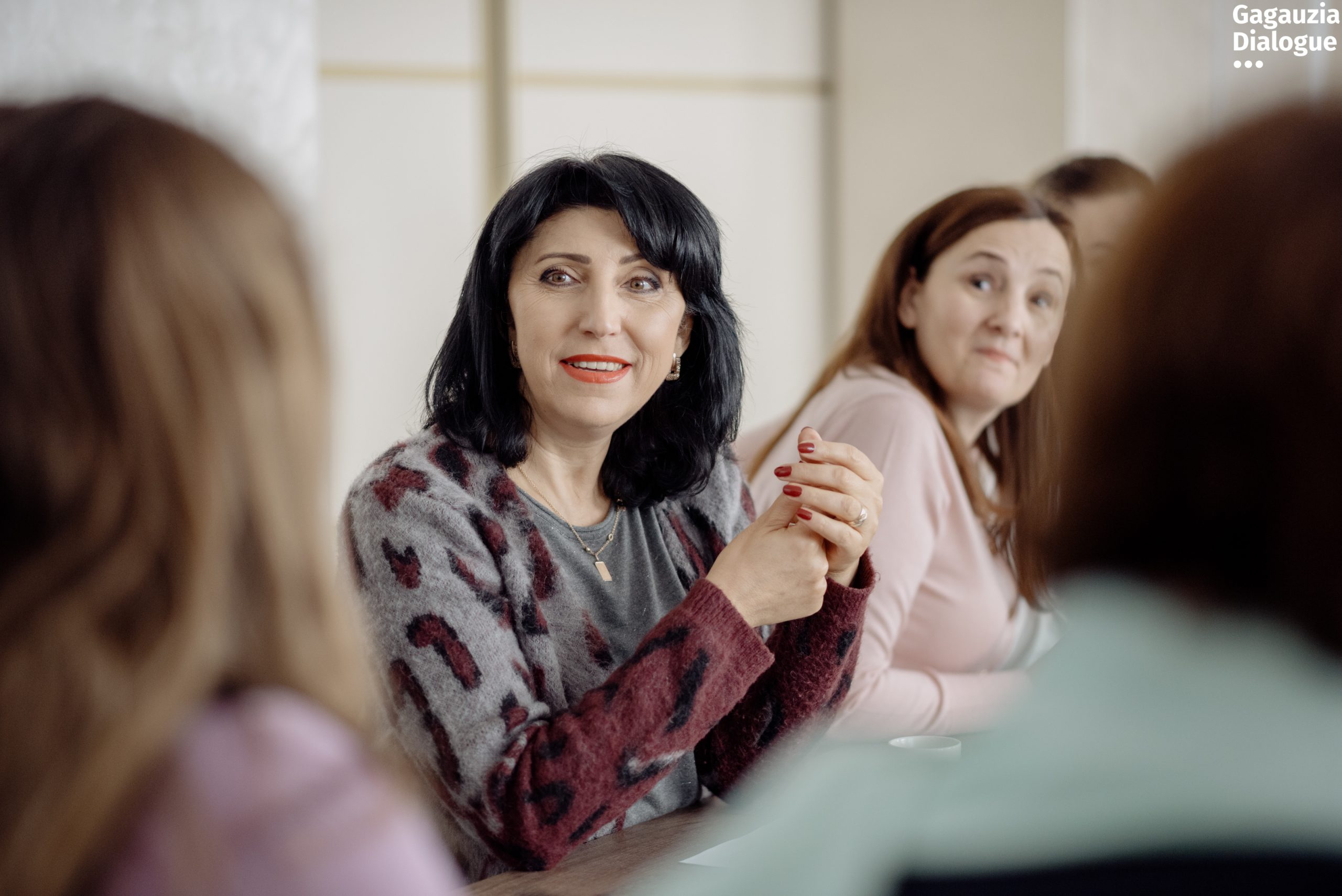
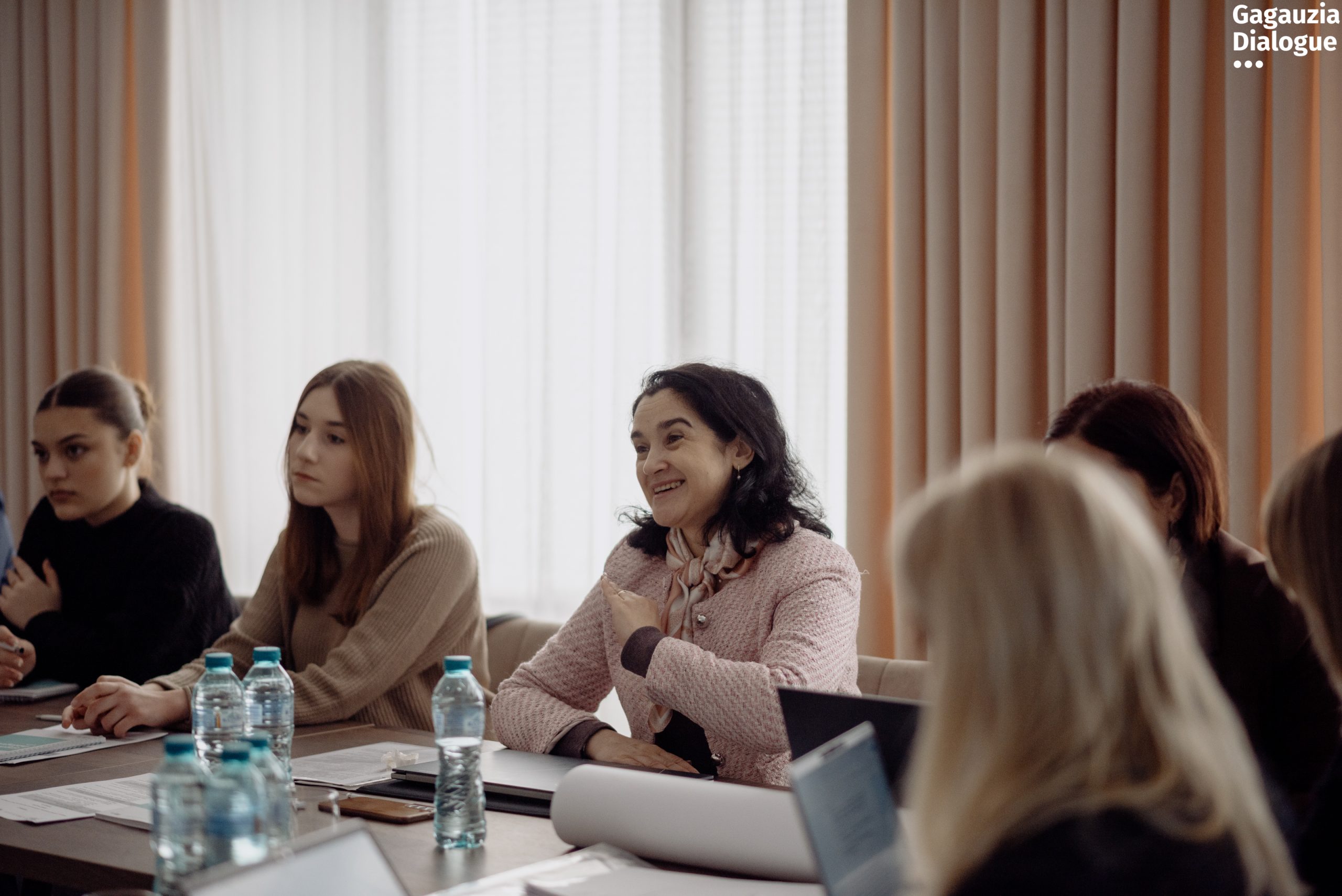
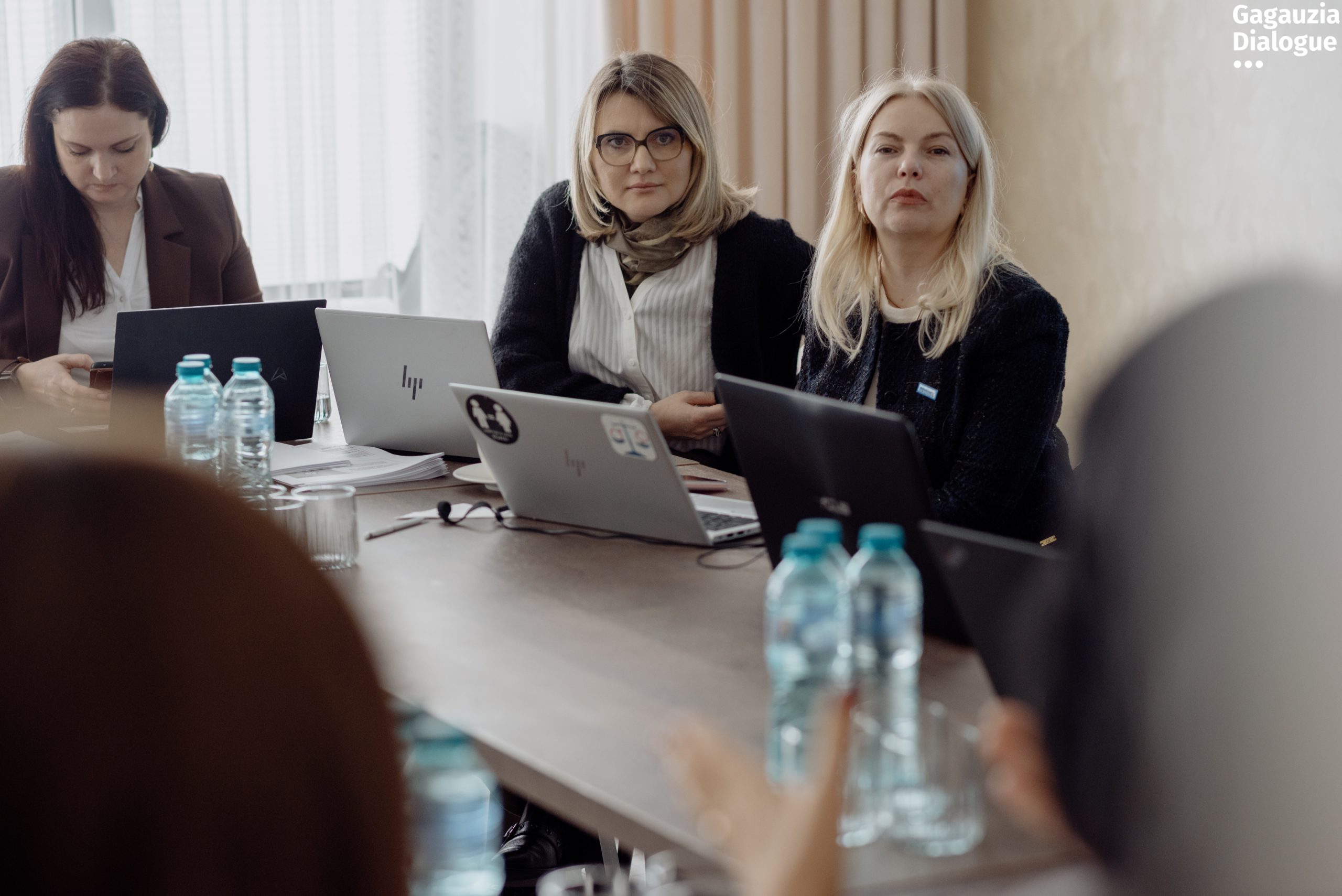
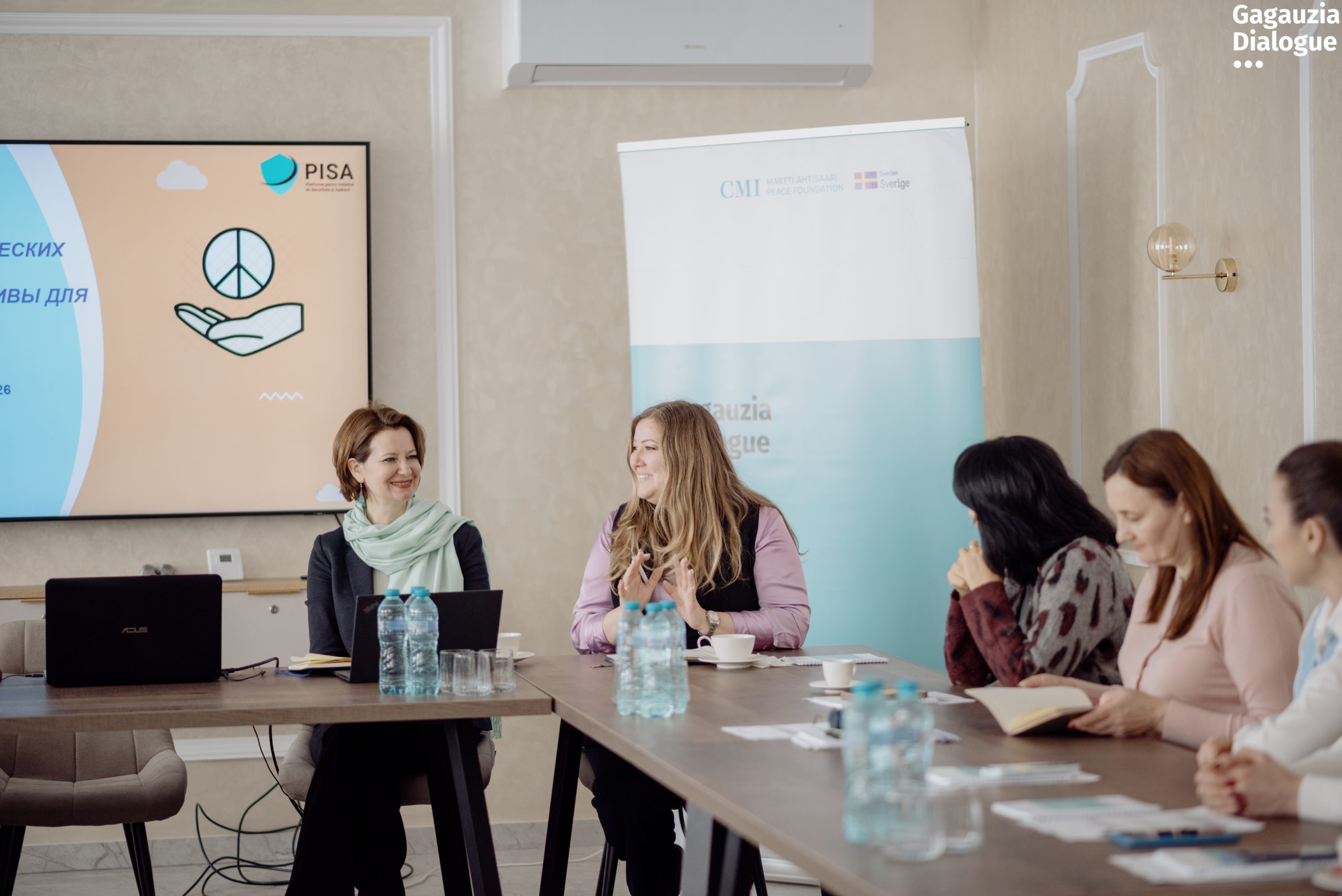
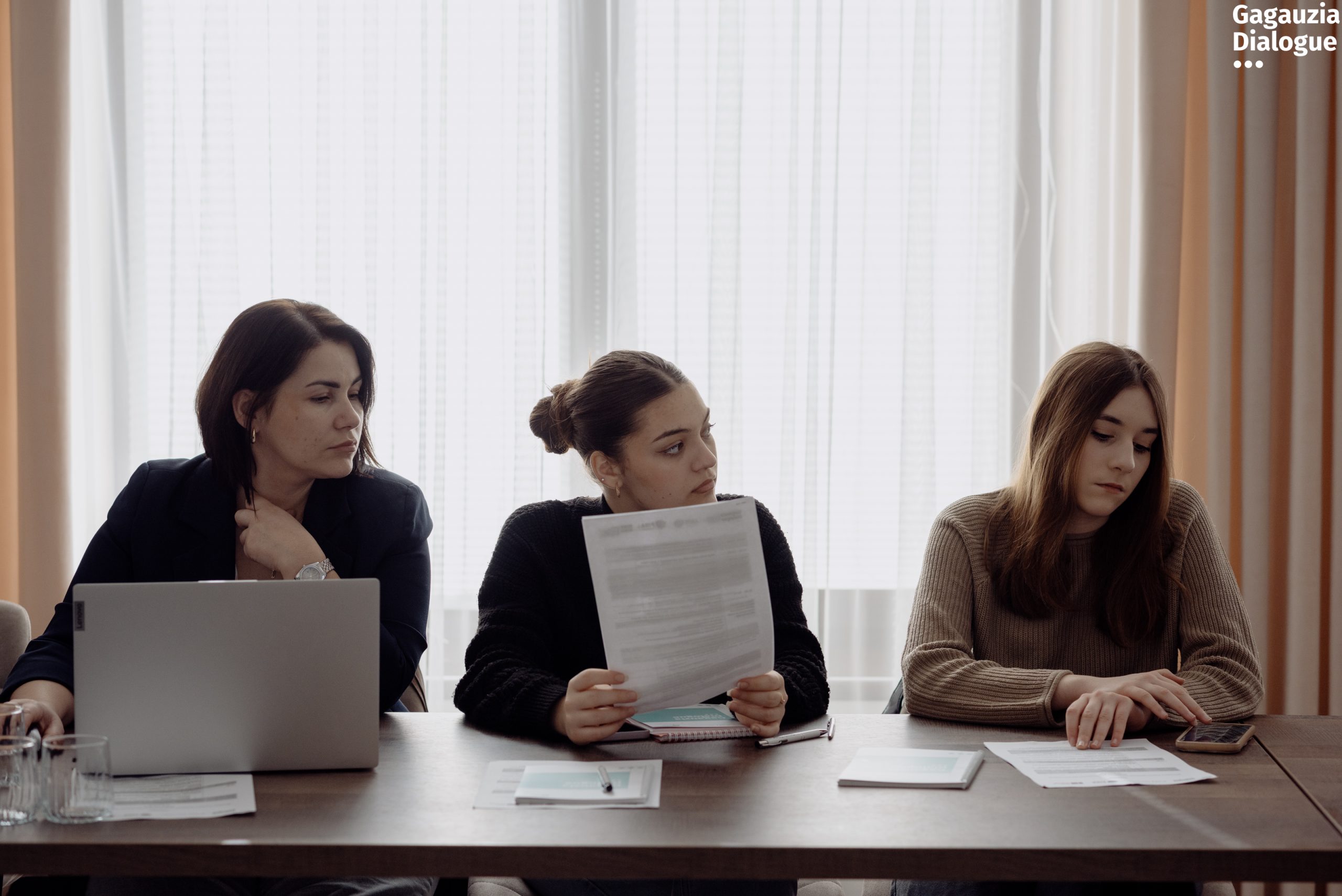
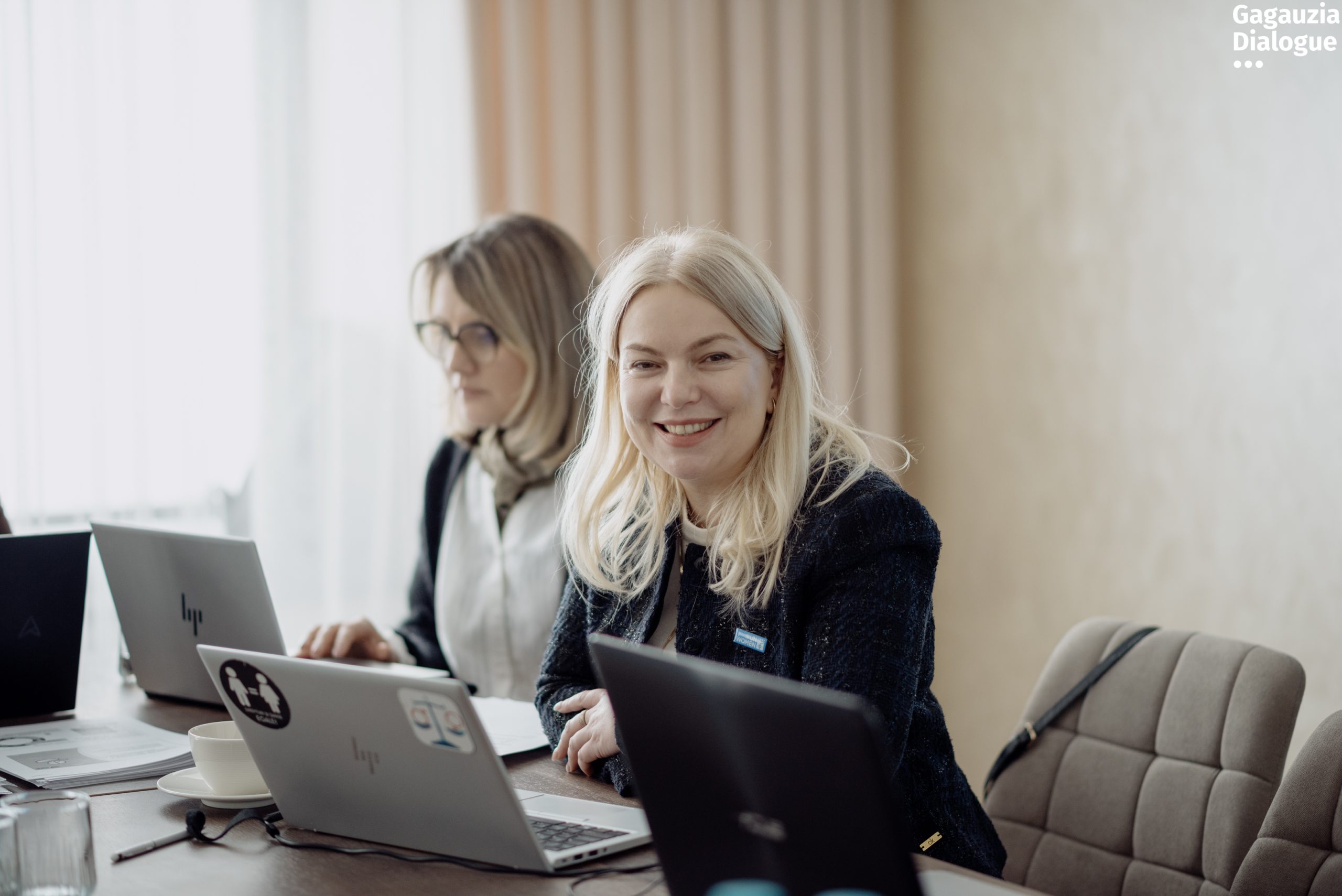
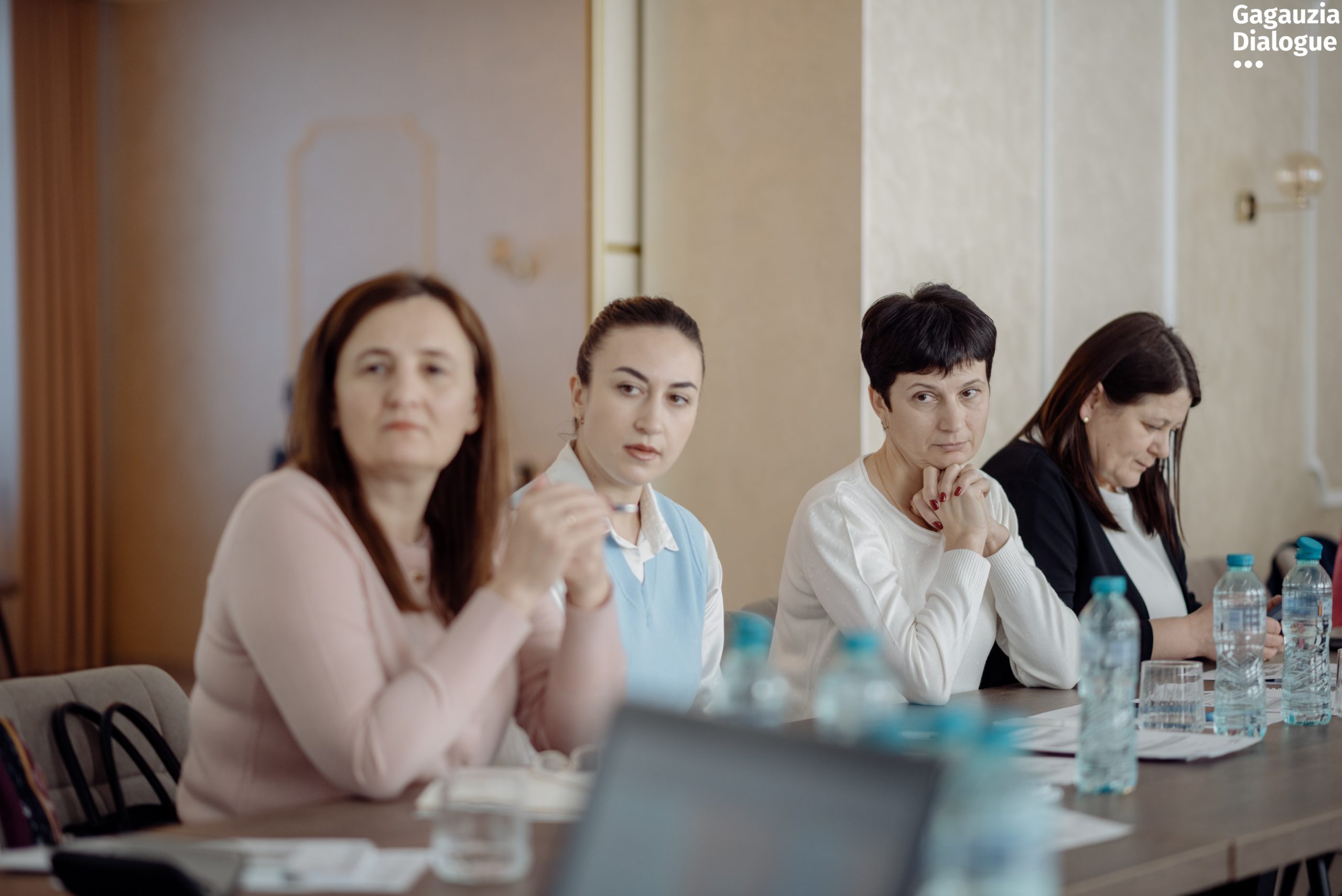
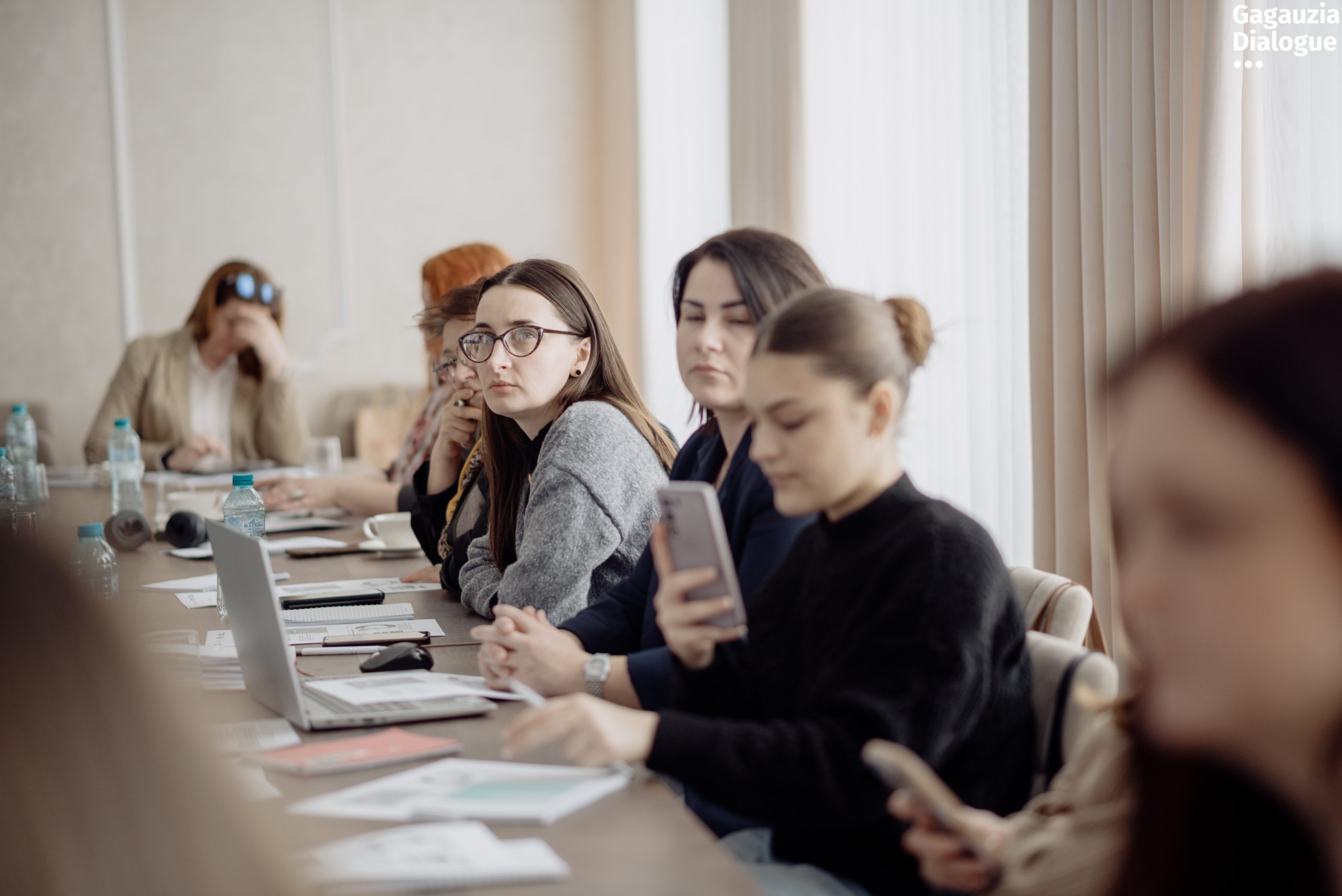
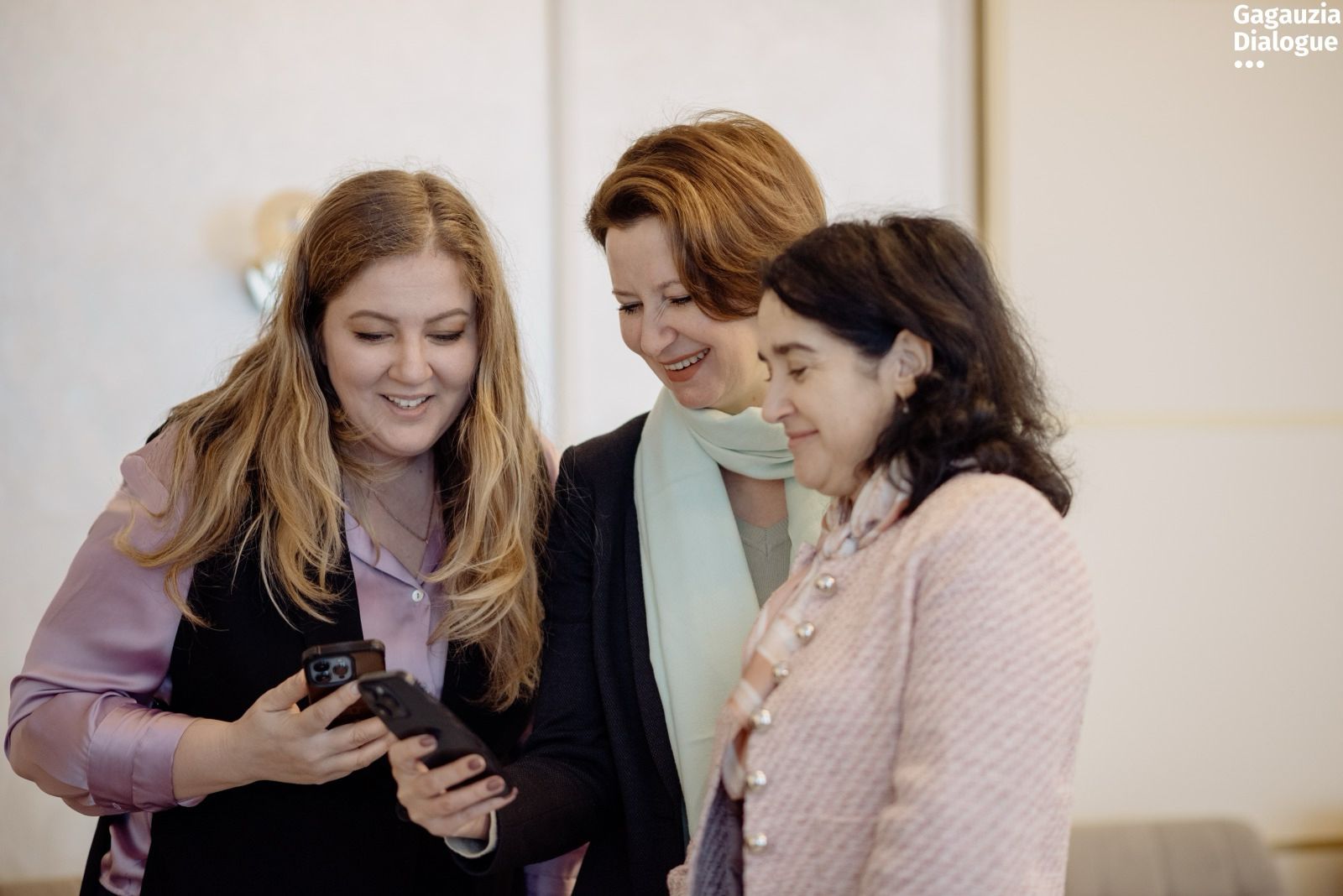
Discussions focused on the role of women in peace processes, the importance of female leadership, and active involvement at the local and regional levels. Particular emphasis was placed on strategic communication as an essential tool for increasing women’s influence in decision-making processes.
“For Gagauzia, the Women, Peace, and Security initiative can become not an external requirement but an internal resource. It is a tool for preventing radicalization, reducing polarization, and building trust. Without loud slogans, but through systematic work and the involvement of those who shape the structure of society on a daily basis,” said Nata Cebotari, a journalist and blogger from Ceadir-Lunga.
During the sessions dedicated to human security, participants analyzed the real challenges in their communities and applied the “problem tree” tool to identify needs, risks, and solutions relevant to the region. The first day created an open space for dialogue, reflection, and taking on a more active role in promoting peace and security at the local level.
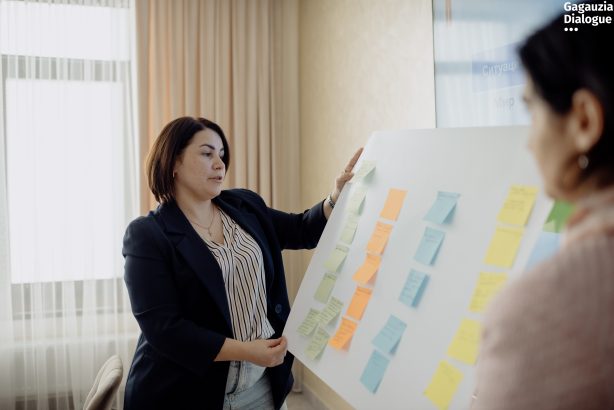
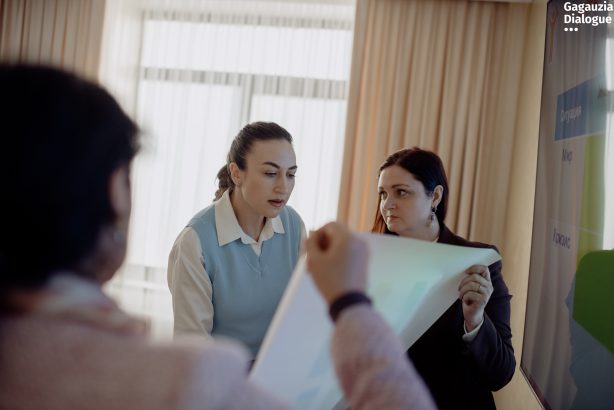
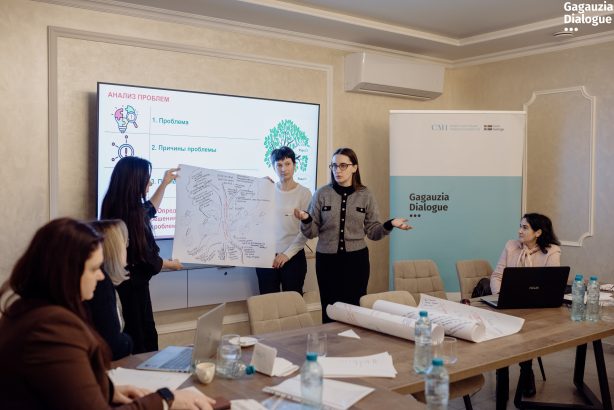
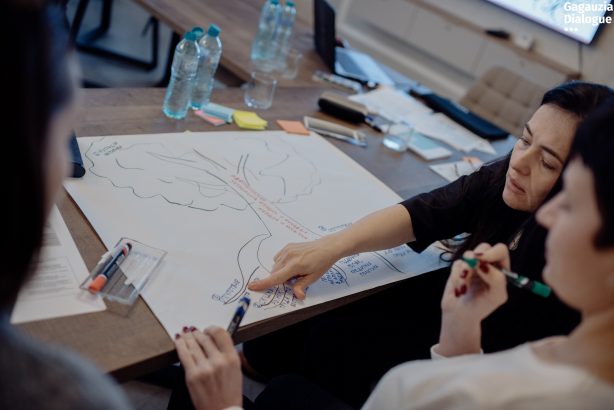
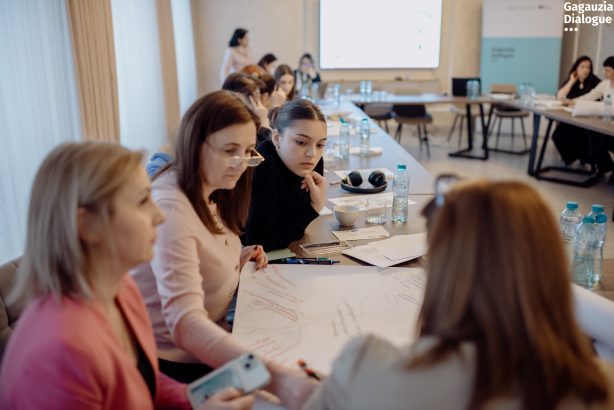
The second day represented the transition from reflection to the formulation of concrete courses of action. Brainstorming dedicated to the phenomenon of “self-exclusion” brought to the fore topics such as trust, mutual support, and invisible barriers that limit women’s involvement.
“The discussions made me reflect on the barriers that we sometimes impose on ourselves. I left here with more confidence and a desire to tell other women about this initiative,” said Marina Grek, database administrator at the D. Celenghir Theoretical High School in Avdarma.
Participants also analyzed cooperation between authorities and civil society, identifying mechanisms through which dialogue can produce practical and sustainable results. Solutions such as the development of thematic training courses, cultural initiatives, strengthening formal representation, and information campaigns aimed at encouraging women’s participation were discussed.
The training ended with a personal development exercise focused on identifying the internal resources and motivation needed for long-term involvement.
“After this training, I began to view my role differently. I understood that my voice matters and that women’s role at the local level can be significant, and we can build initiatives that bring real change in Gagauzia,” said Nelli Guboglo, secretary of the Ceadir-Lunga City Hall.
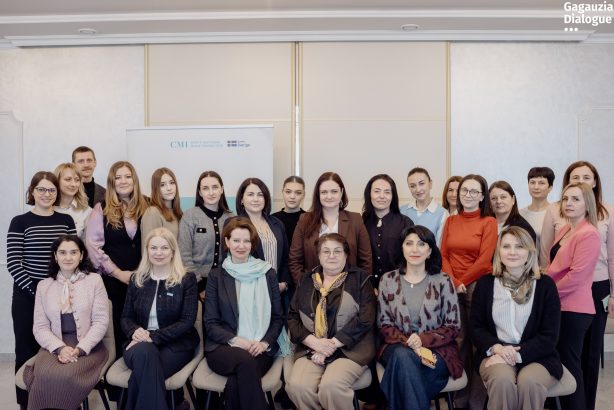
The two days of training confirmed that the voice of women in Gagauzia can become an important pillar in transforming the region into a space of human security, cooperation, and constructive dialogue.
The training was organized as part of the initiative “The Role of Women in Peace Processes: Needs and Perspectives for Gagauzia,” implemented by the Platform for Security and Defense Initiatives in partnership with CMI – Martti Ahtisaari Peace Foundation. The activity is part of the “Gagauzia Dialogue” project, implemented by CMI with the support of Sweden.


