
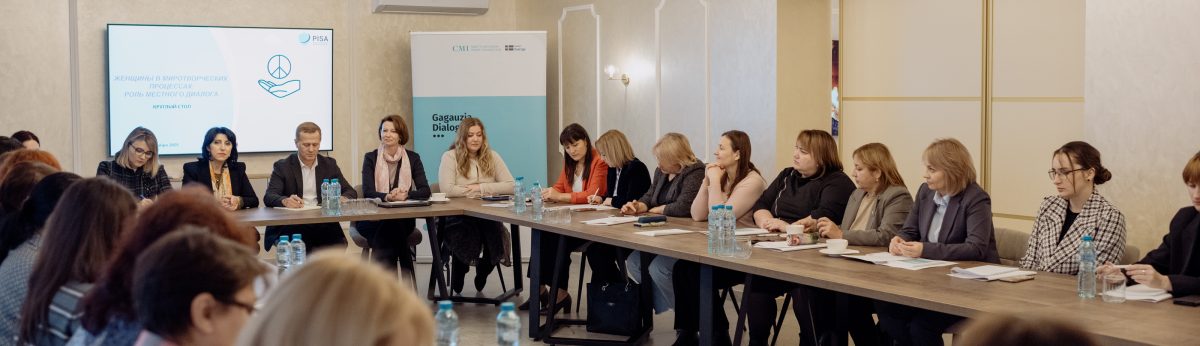
Today, December 5, 2025, a round table discussion “Women in Peacebuilding Processes: The Role of Local Dialogue” was held in Gagauzia, bringing together women from local public administration, civil society organizations, educational institutions, the business community, journalists, security and development experts, representatives of the Embassy of Sweden, the Platform for Security and Defense Initiatives (PISA), and the CMI – Martti Ahtisaari Peace Foundation.
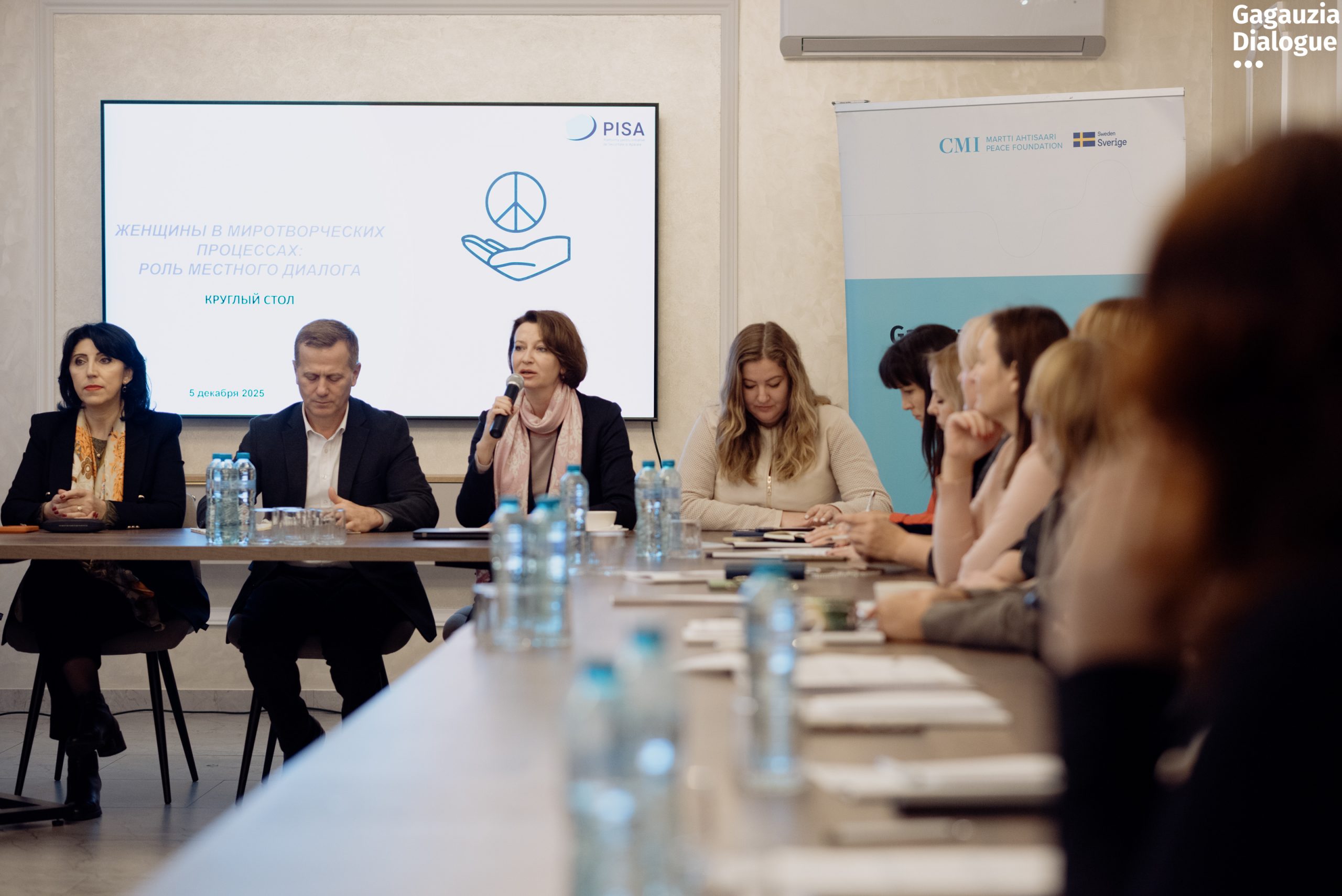
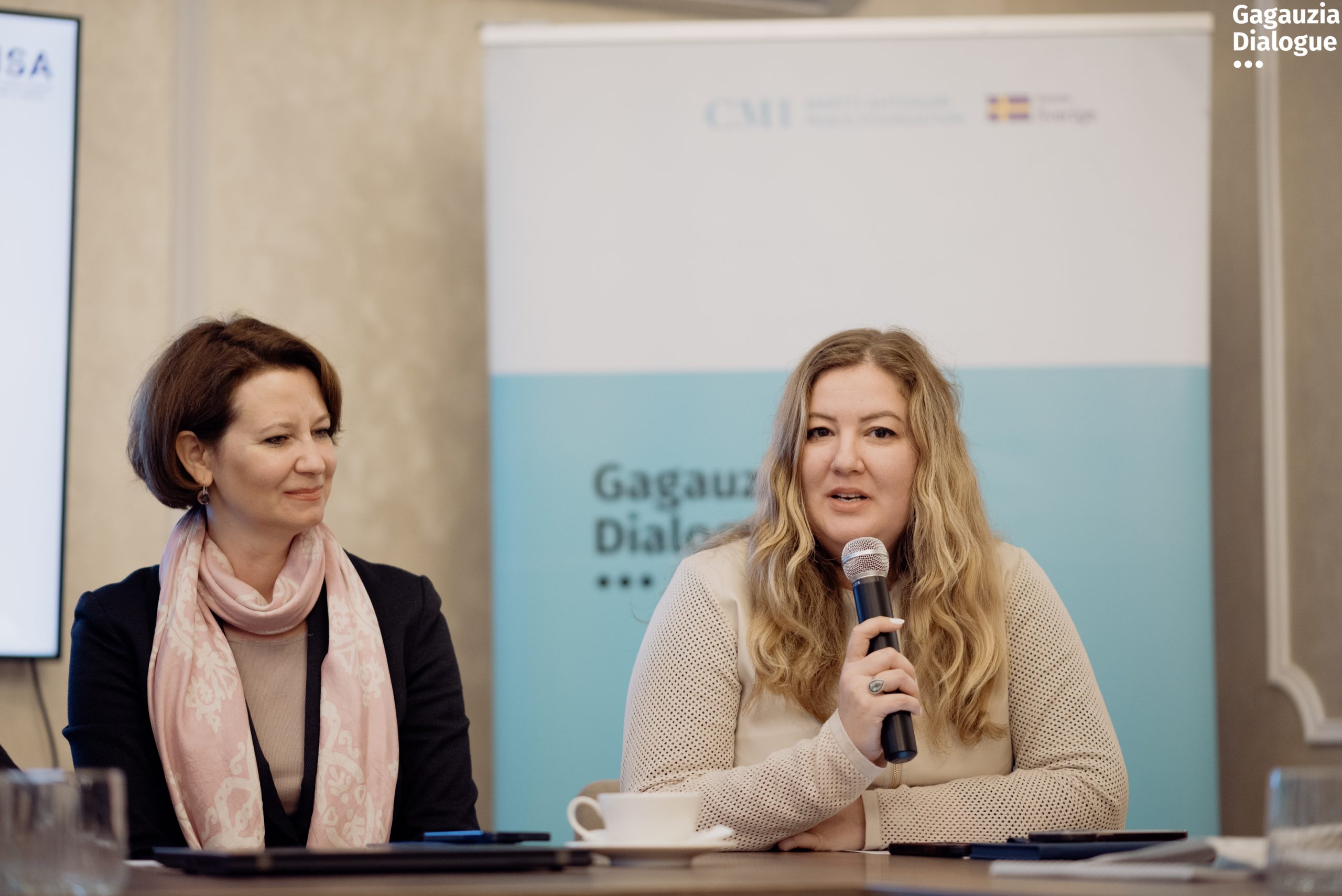
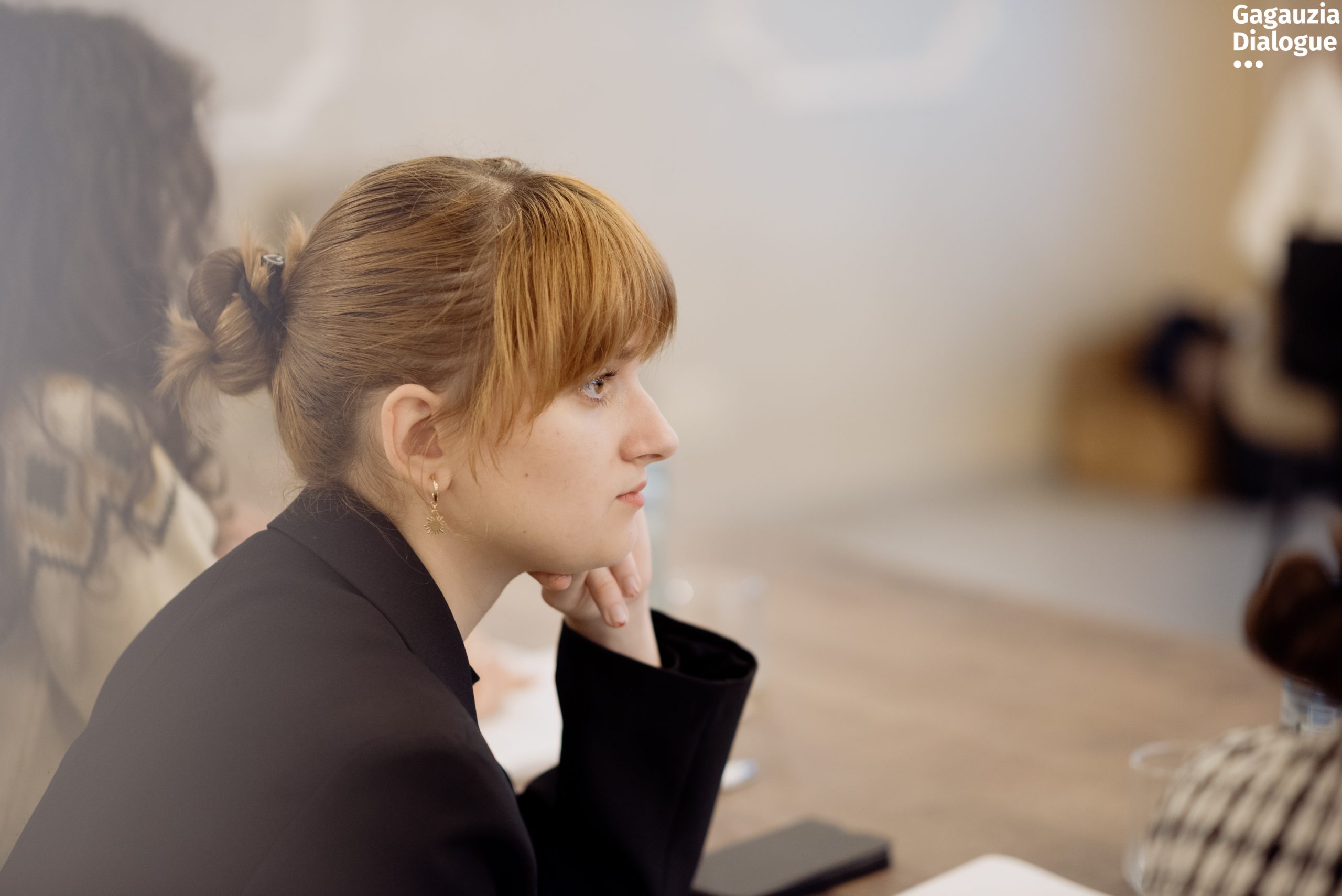
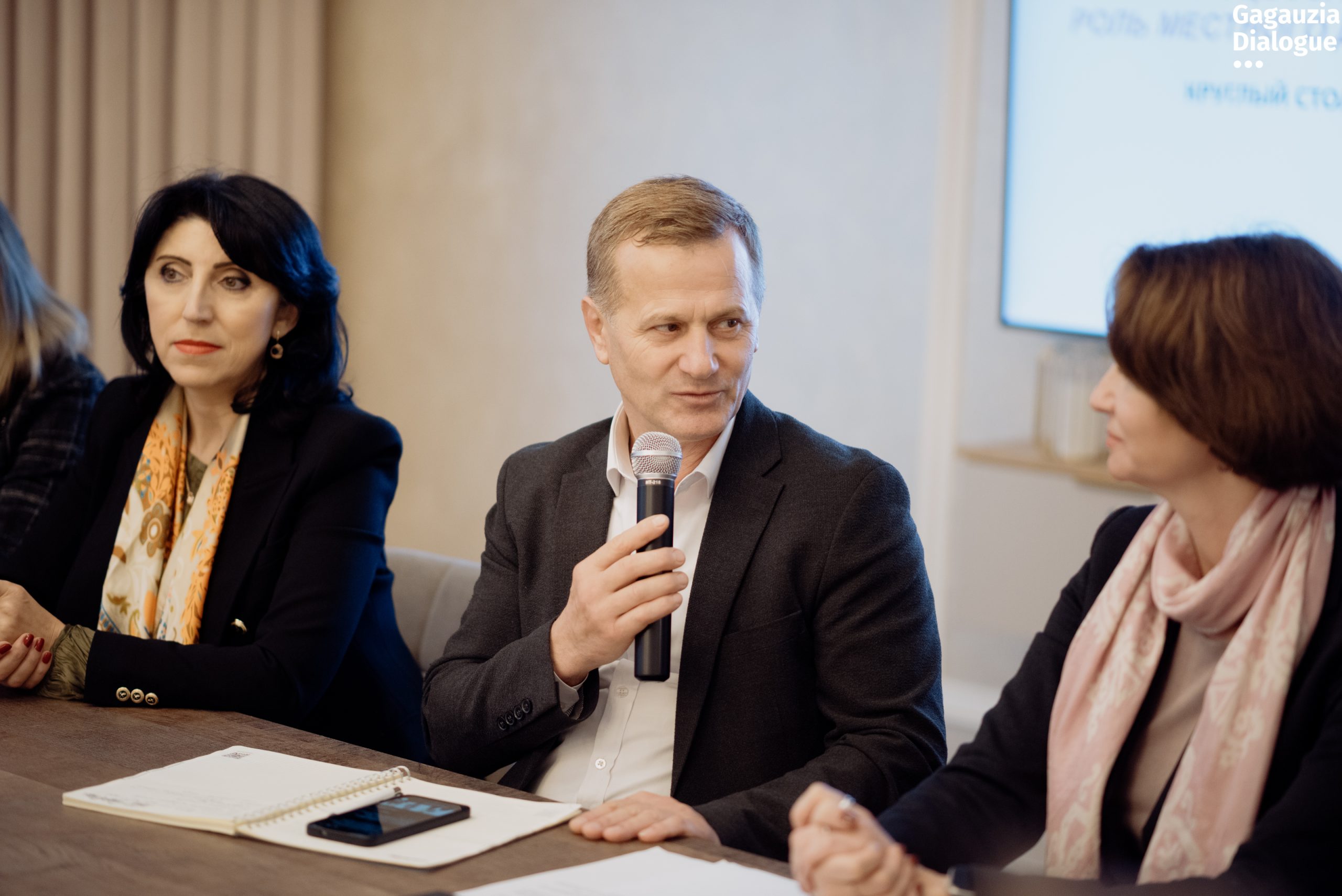
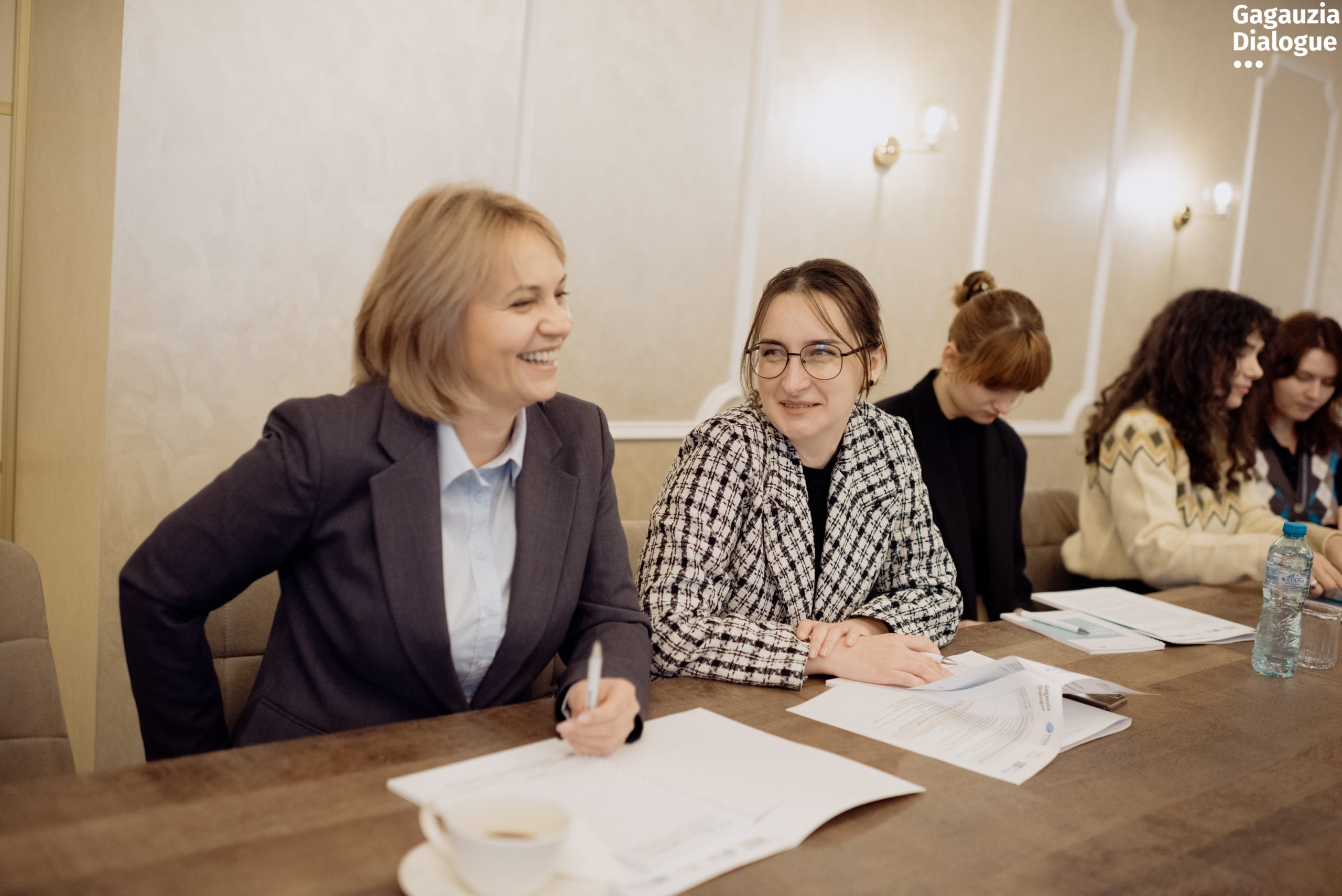
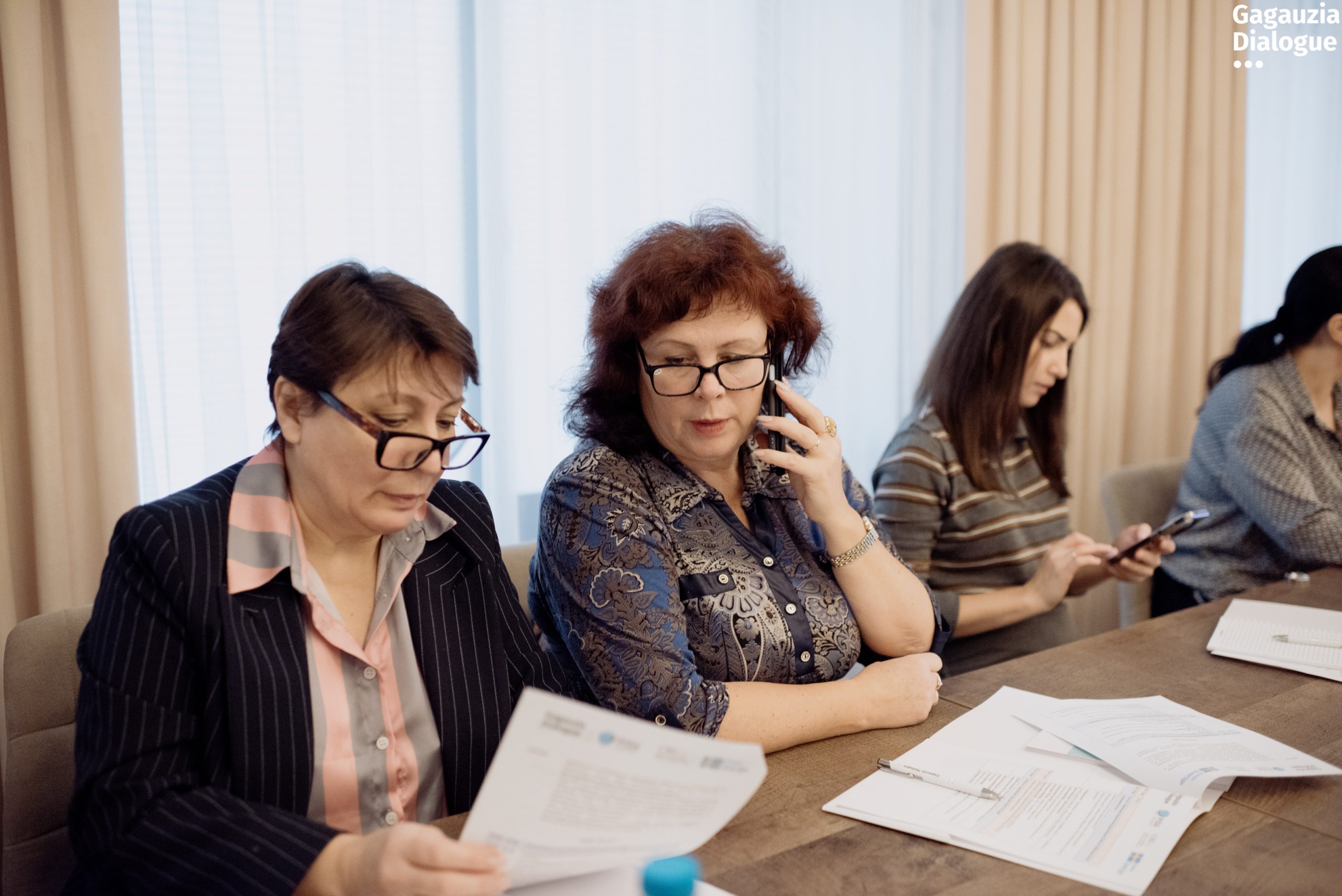
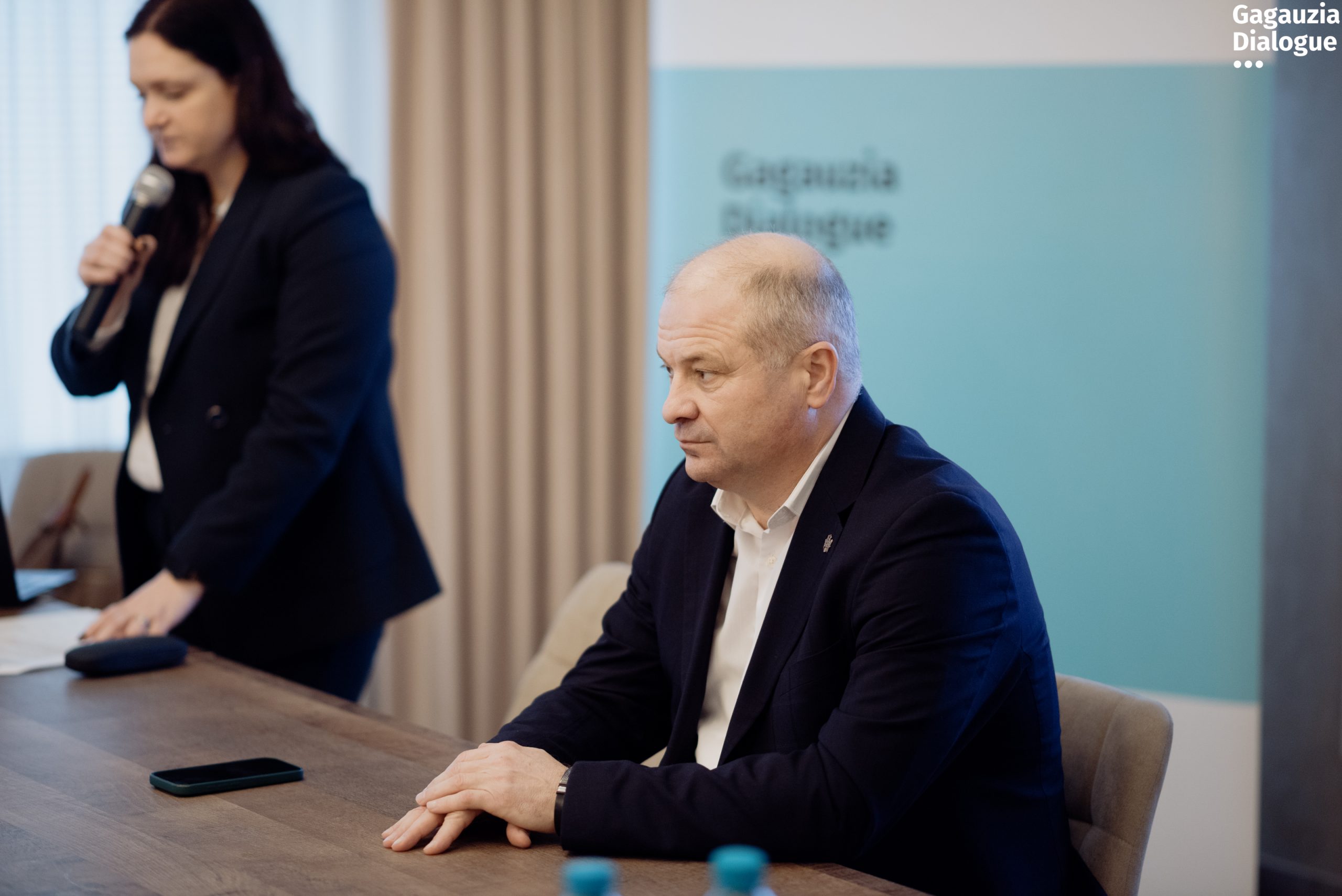
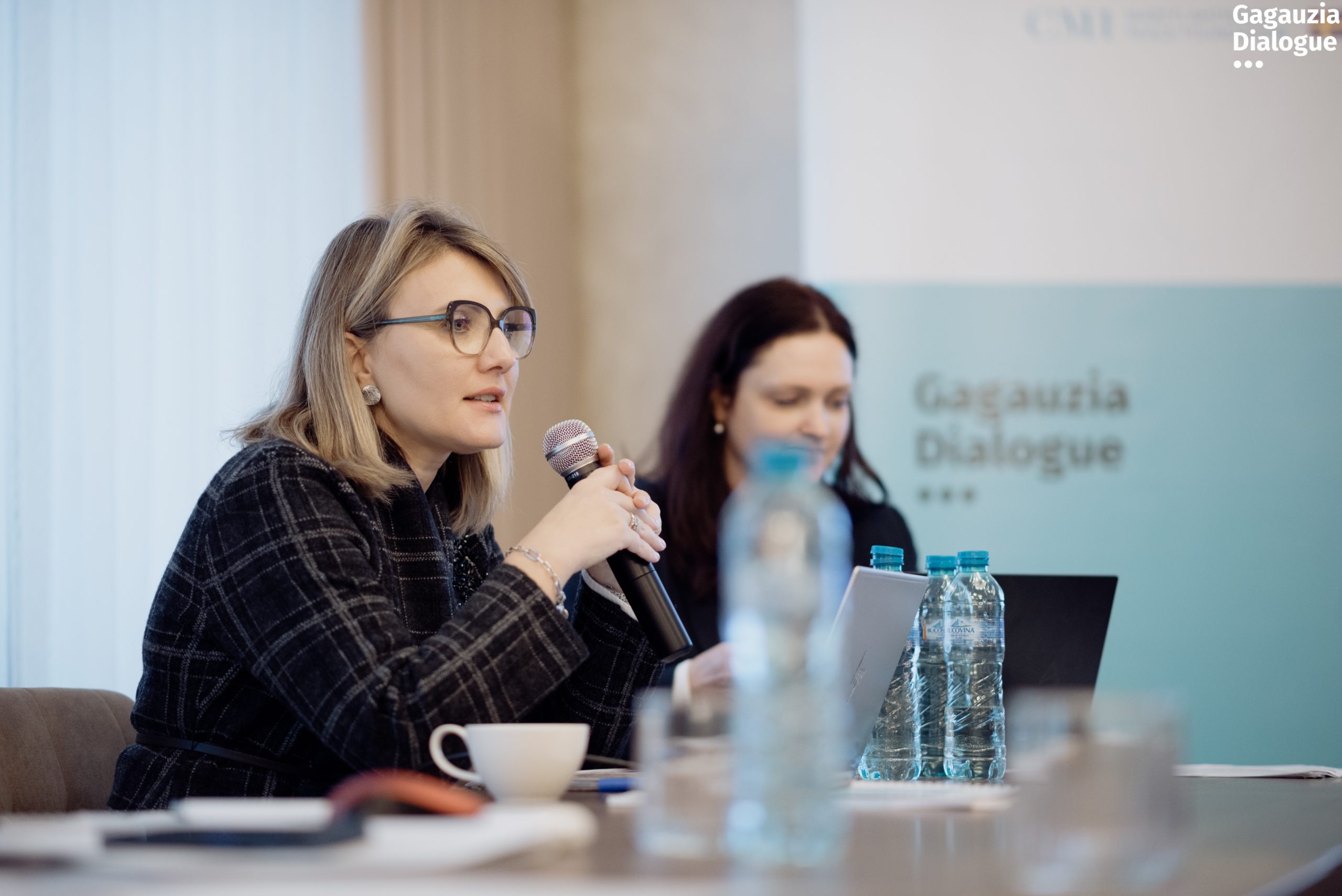
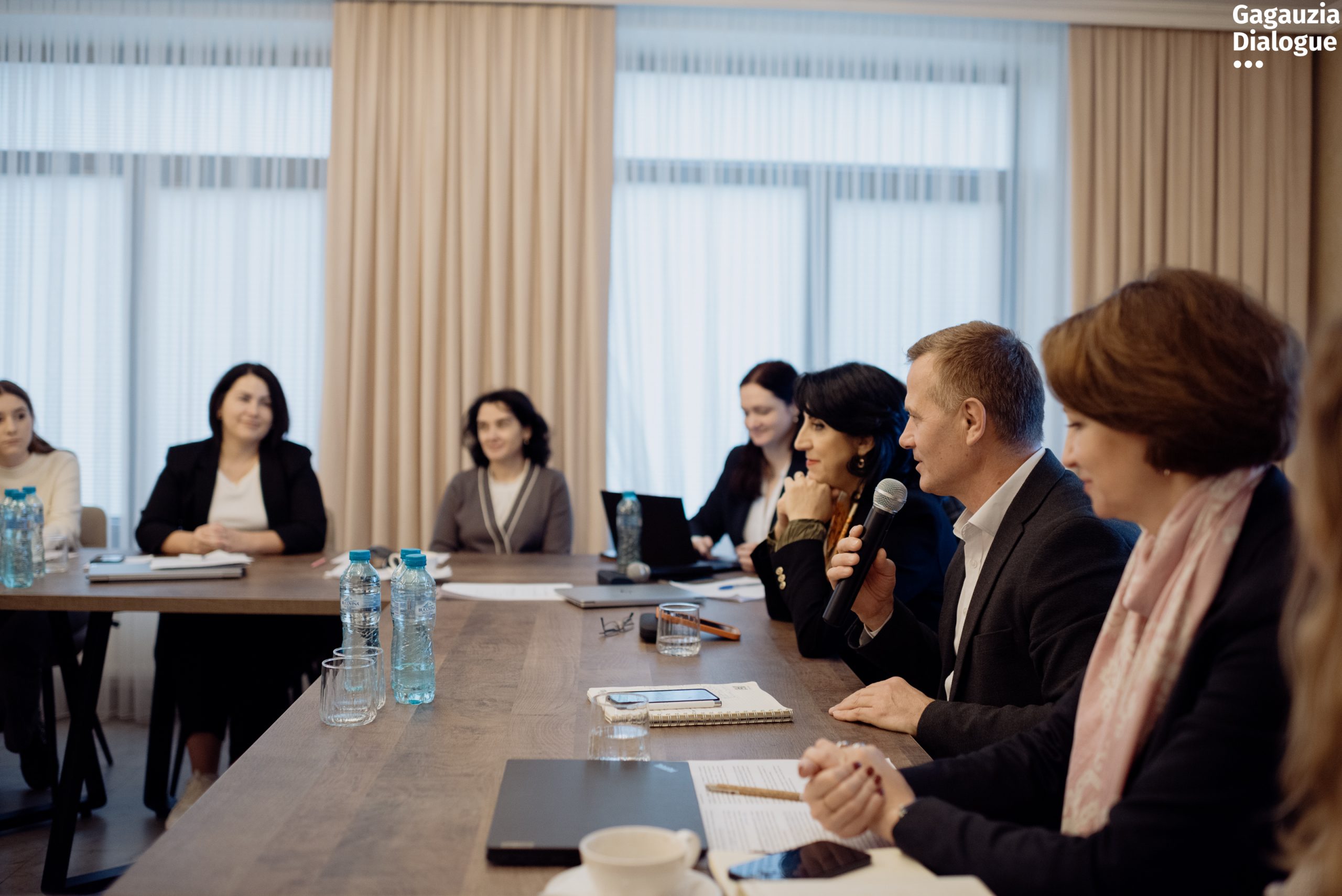
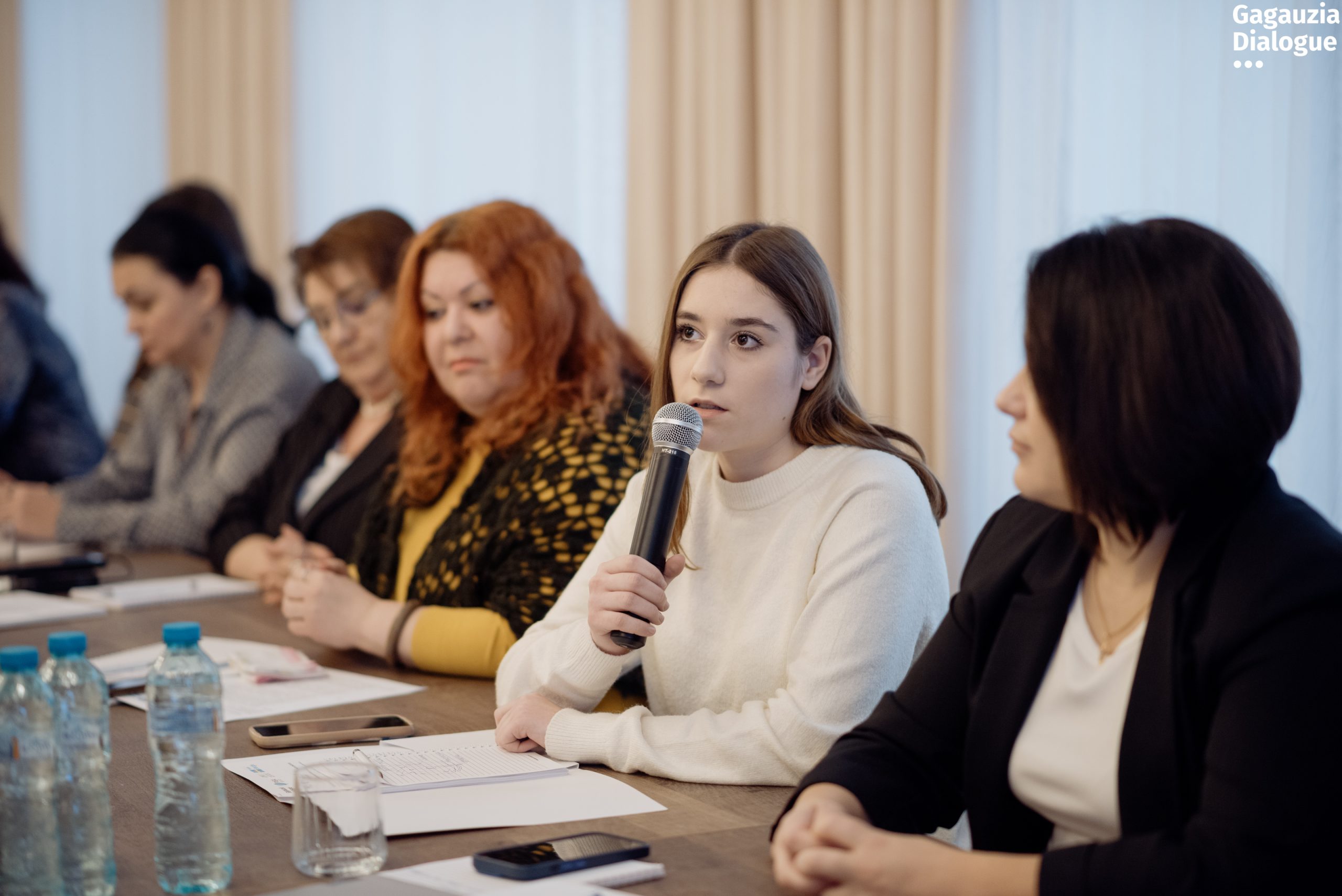
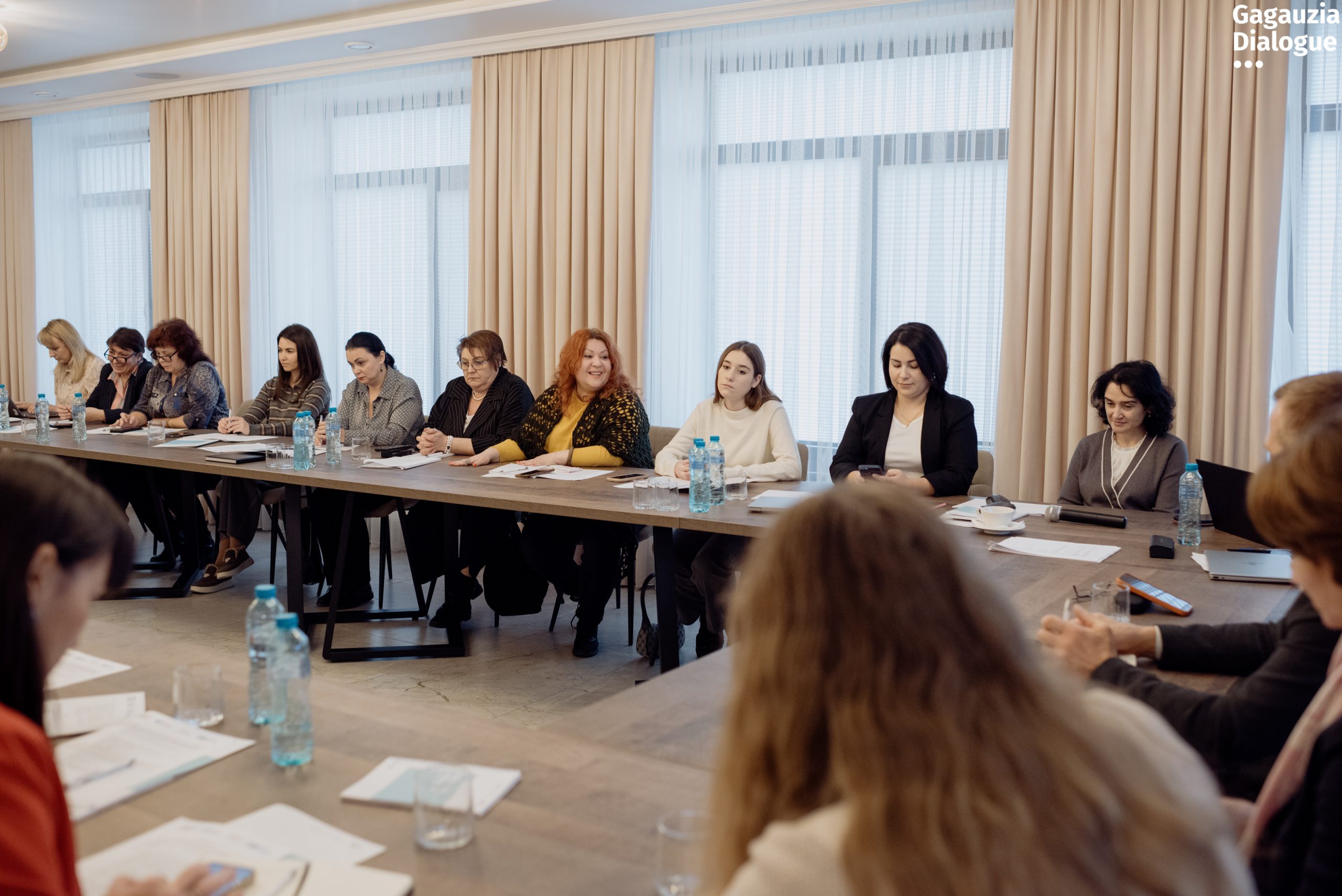
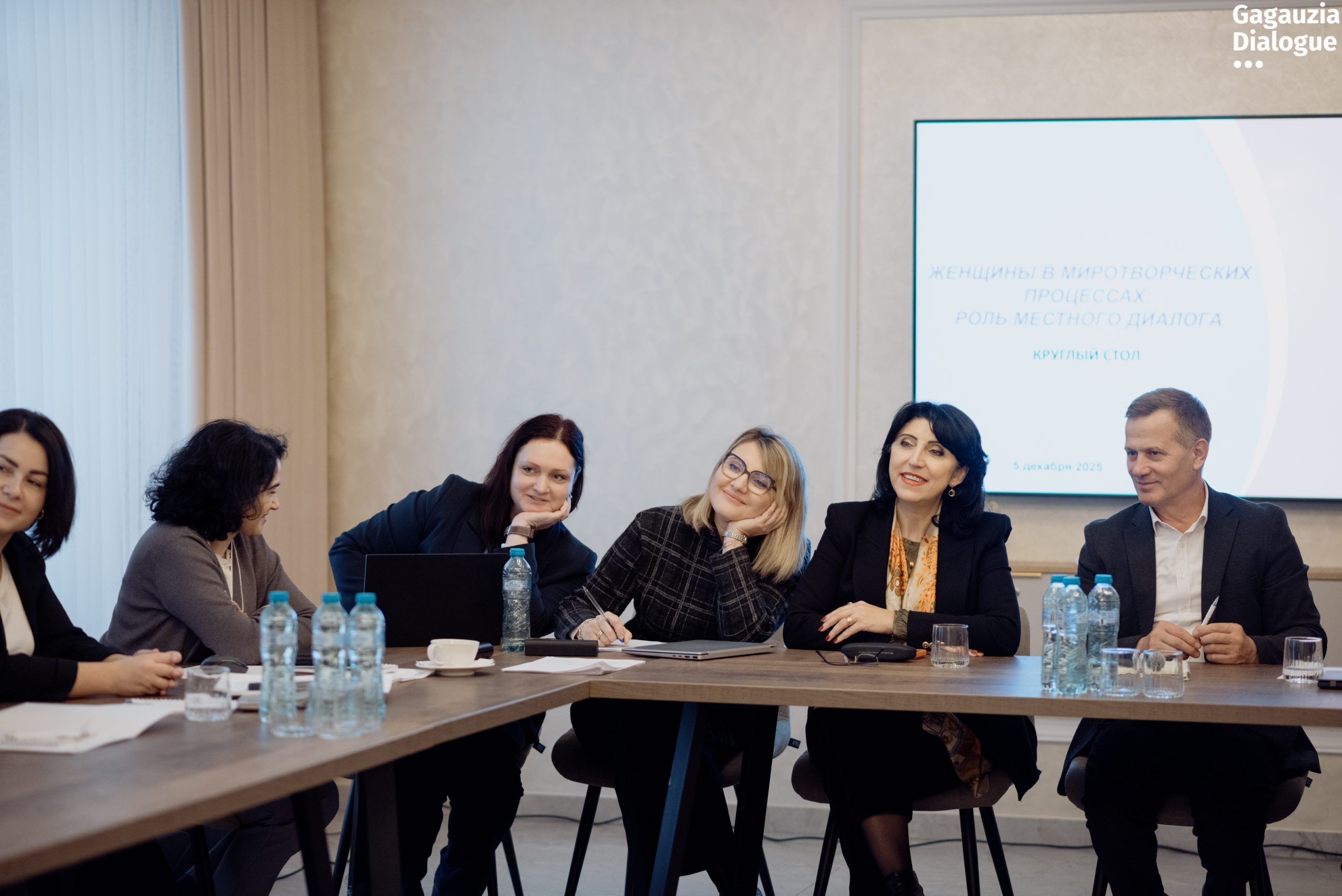
The event provided a necessary space for analysis and discussion of these challenges, with the aim of integrating regional perspectives into national initiatives on the implementation of the Women, Peace, and Security Agenda.
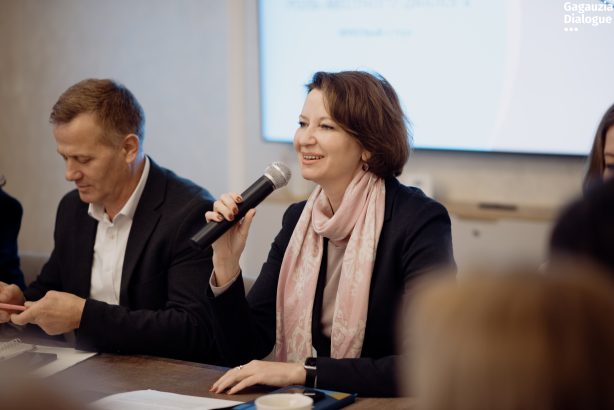
“For over 10 years, CMI has been supporting the dialogue on Gagauzia. Through this initiative of promoting the Women, Peace, and Security Agenda, CMI is expanding its activity because the dialogue process requires the involvement of all actors in society. By involving civil society, academia, and women in peacebuilding processes, we can ensure an inclusive approach that reflects the needs and voices of different groups in the community”, declared Natalia Djandjgava, Country Manager, CMI.
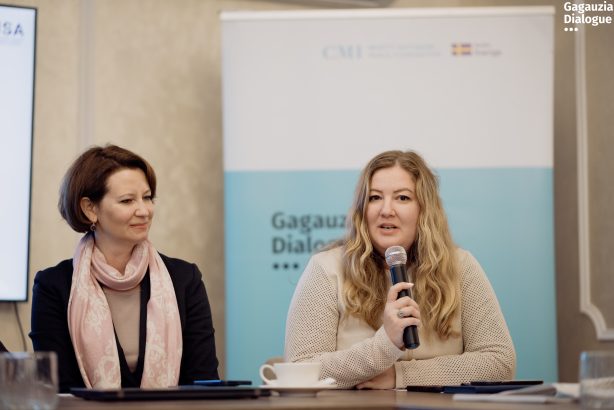
“Sweden supports women in peacebuilding. Sweden’s approach to foreign policy is based on three principles: rights, representation, and resources. We are pleased to support this platform and to have the opportunity to strengthen women’s involvement in regional initiatives, support women’s leadership, and expand their participation in public discussions and decision-making”, said Tatiana Lungu, National Program Officer, Embassy of Sweden in Chisinau.
The participants were welcomed by the mayor of Comrat, Serghei Anastasov, and the mayor of Ceadir-Lunga, Anatoly Topal, who emphasized the role of women in the decision-making process and the need to maintain dialogue at the local and national levels so that women’s voices are heard.
The round table aimed to strengthen cross-sectoral cooperation and create a common space for dialogue between local authorities, civil society, and experts in order to identify existing challenges, map ongoing initiatives, and define coherent directions of action.
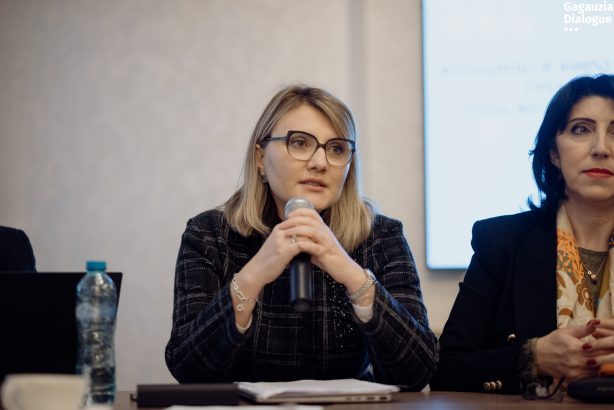
“Strengthening women’s participation in dialogue processes contributes to a better understanding of local challenges and the identification of sustainable solutions. Women make an impressive contribution to society, and together we are learning how we can change the community we live in”, said Elena Marzac, director of PISA.
The participants shared common conclusions and recommendations on how women can contribute more effectively to conflict prevention and peacebuilding in the region. These include the need to increase local capacities, improve institutional coordination, and create clear mechanisms for women’s participation in decision-making processes.
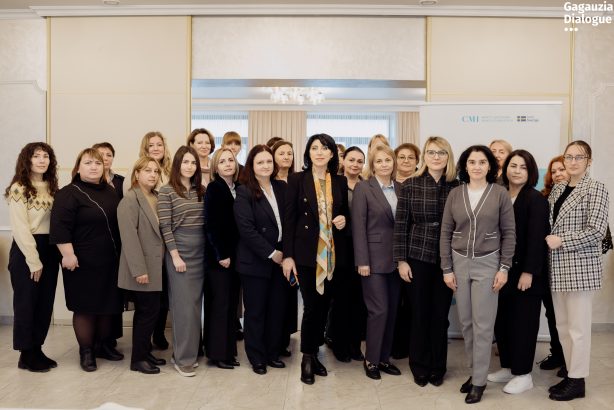
The round table was organized as part of the project “The role of women in peace processes: needs and perspectives for Gagauzia”, implemented by PISA in partnership with CMI. The activity is part of the project “Supporting institutionalized and sustainable dialogue on Gagauzia”, implemented by CMI and funded by Sweden.


