
Between 15 and 21 November 2026, 16 representatives of higher education and other institutions from the Republic of Moldova participated in a study visit to South Tyrol, Italy, to explore European models of multilingual education, teacher training approaches and educational practices that contribute to preserving linguistic diversity and strengthening social cohesion.
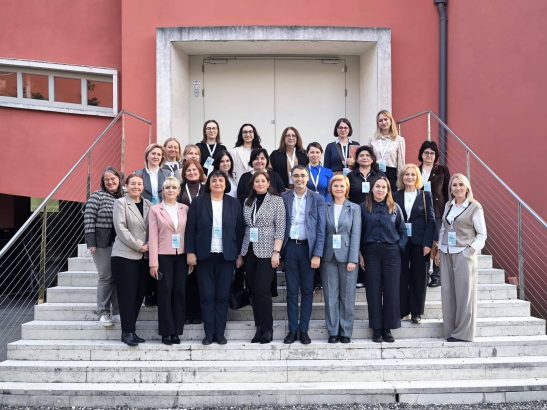
The study visit was organised by CMI – Martti Ahtisaari Peace Foundation, in close cooperation with Eurac Research, within the framework of the “Gagauzia Dialogue” project, with the support of Sweden.
The programme brought together representatives of public and educational institutions from the Republic of Moldova and international experts, providing opportunities to exchange experiences on language policies, teacher training, the development of teaching materials and the implementation of multilingual education in schools and kindergartens.
The visit built on the cooperation initiated in 2024 and ongoing efforts to support the development of Moldova’s own model of multilingual education.
Language Rights, Education Policies and Social Cohesion
On 16 November, the working programme began at Eurac Research in Bolzano, with sessions dedicated to language rights, minority-language education, multilingualism and social cohesion.
The delegation was welcomed by Dr. Elisabeth Alber, Research Group Leader at Eurac Research’s Institute for Comparative Federalism, and Dr. hab. Ivan Duminica, representative of the Ministry of Education and Research and Head of the Moldovan Delegation.
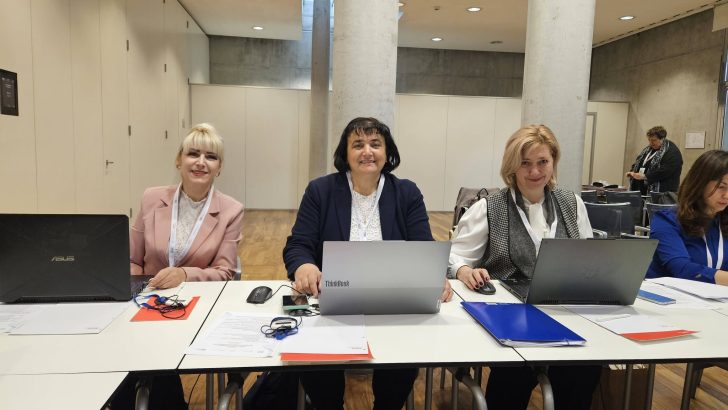
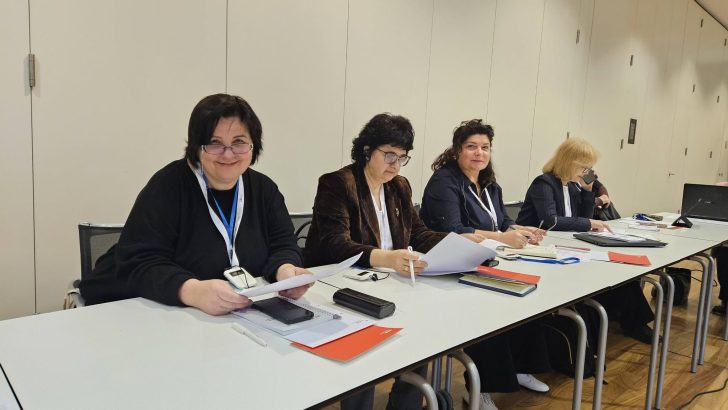
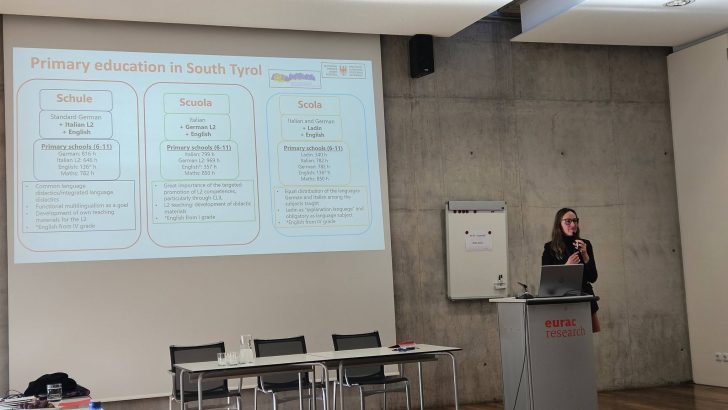
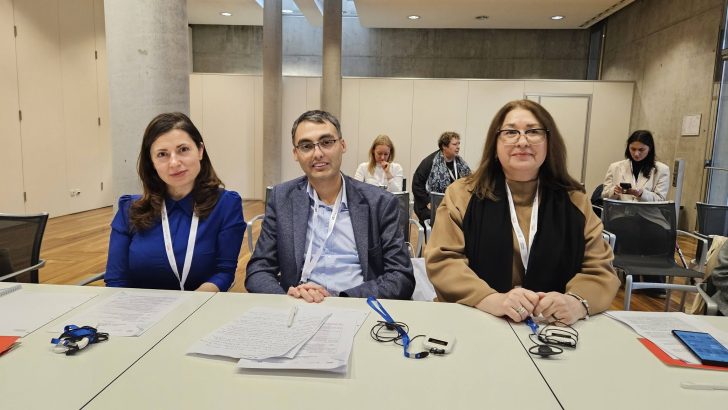
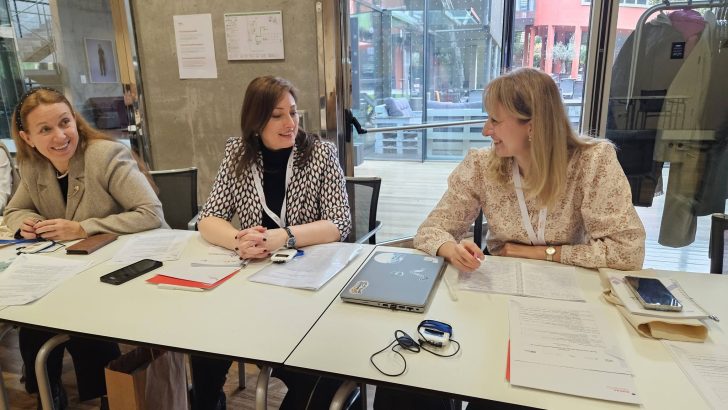
During the sessions, Dr. Elisabeth Alber presented South Tyrol’s autonomy experience in protecting language rights, Dr. Marta Guarda explored concepts and practices of multilingual education, while Dr. Mattia Zeba examined the legal frameworks governing education in minority languages.
The day concluded with a roundtable discussion moderated by Zdenka Machnyikova, Senior Legal Adviser at CMI – Martti Ahtisaari Peace Foundation. The discussion brought together Professor Francesco Palermo, Director of Eurac Research’s Institute for Comparative Federalism and Professor of Comparative Public Law at the University of Verona; Dr. Francisco Javier Romero Caro, Senior Researcher at Eurac Research; Dr. hab. Ivan Duminica, Head of the Division for Interethnic Relations Policy at the Ministry of Education and Research; and Dr. Angela Cara, Education Expert at CMI.
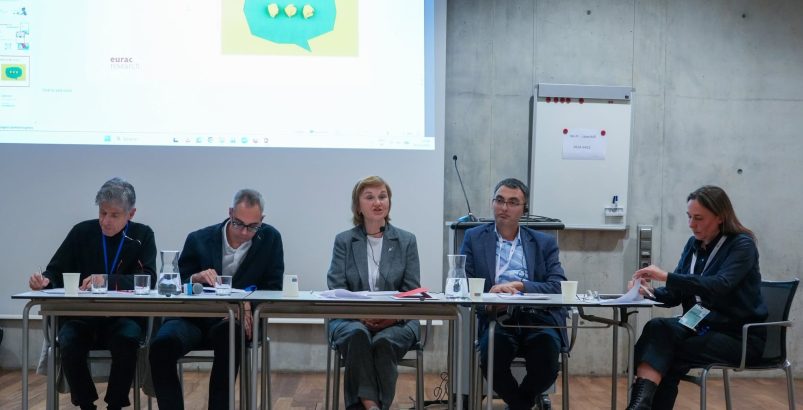
The discussions focused on Moldova’s progress in developing multilingual education, implementation challenges and lessons learned from South Tyrol’s experience. Participants highlighted the importance of strengthening institutional capacities, preparing teachers and translating policy commitments into concrete educational practices.
“If the first study visit helped us understand what needs to be done to develop multilingual education, this experience gave us the opportunity to see how we can put this knowledge into practice. Discussions with experts and observations of educational models in South Tyrol provide valuable guidance for identifying the next steps at the level of the Ministry of Education and Research. It is important that each of us builds on the experience gained and contributes to the development of multilingual education in the Republic of Moldova,” emphasised Dr. hab. Ivan Duminica, Head of the Service for Interethnic Relations Policies at the Ministry of Education and Research.
During the roundtable, Professor Francesco Palermo highlighted the importance of long-term institutional commitment and shared responsibility for protecting linguistic diversity:
“Sustainable multilingualism and ethnic diversity require genuine commitment from society as a whole, not only from minorities, supported by constitutional guarantees that protect diversity beyond electoral cycles. To make this work in practice, we need to combine participatory and representative institutions, as well as school autonomy, with concrete technical tools, such as terminology commissions and local mediation bodies,” noted Professor Francesco Palermo.
In her concluding remarks, Zdenka Machnyikova highlighted that, as the Republic of Moldova advances in implementing multilingual education in schools, the roundtable discussions demonstrated that a clear legislative and institutional framework, well-defined educational objectives and specialised teacher training produce the best results when school autonomy plays an important role, enabling educational institutions to adapt teaching methods to classroom realities.
Teacher Training and the Development of Multilingual Teaching Materials
On 17 November, the delegation visited the Faculty of Education at the Free University of Bozen-Bolzano, in Bressanone/Brixen, where participants explored approaches to preparing future teachers in a multilingual academic environment.
The programme included sessions with Prof. Paul Videsott, Dean of the Faculty of Education, Prof. Jeanette Hoffmann, Dr. Ruth Videsott, Prof. Federico Corni and Prof. Renata Zanin Scaratti.
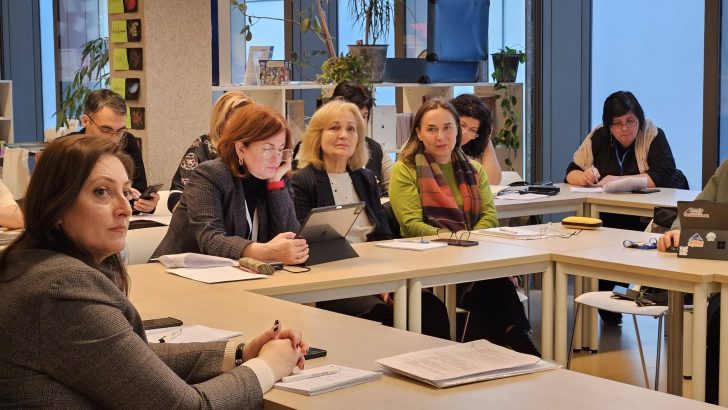
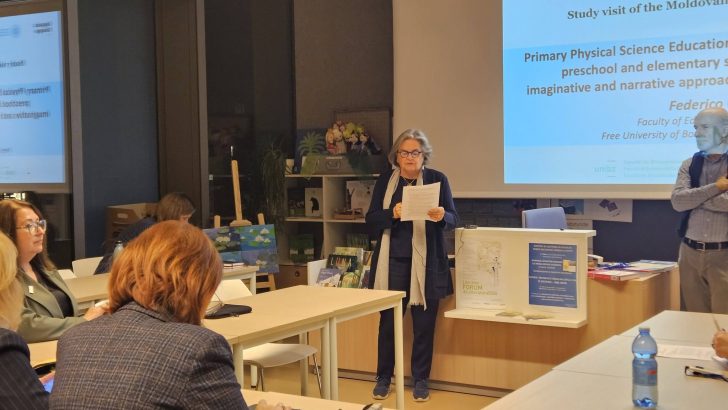
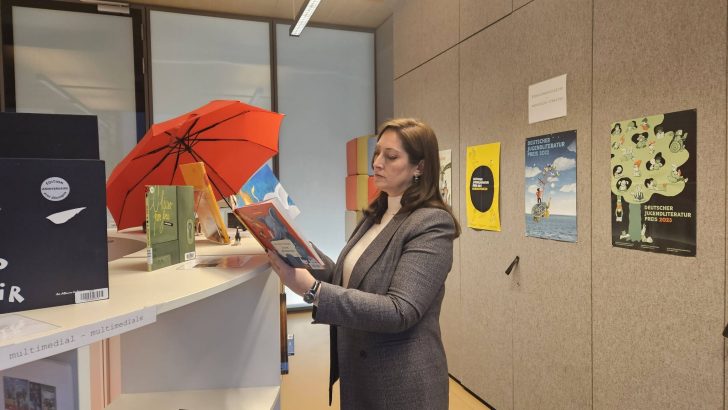
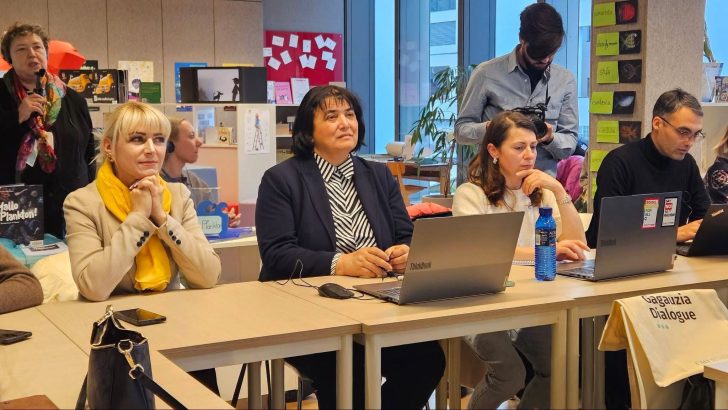
Topics included the use of children’s literature in multilingual contexts, the development of reading and writing skills, and the integration of languages into science teaching through the CLIL methodology.
Participants also examined textbooks, books and multilingual teaching and learning materials in Italian, German and Ladin, designed for both students and teachers, identifying approaches that could be adapted to support the development of educational resources in the Republic of Moldova.
“The experience of the Free University of Bozen-Bolzano demonstrates the important role universities play in preparing teachers for a multilingual education system. We aim to build on this experience to strengthen teacher training and contribute to developing Moldova’s own model of multilingual education,” highlighted Alexandra Barbăneagră, Rector of the “Ion Creangă” State Pedagogical University of Chișinău.
Multilingual Education in Practice: The Experience of Alexander Langer School
On 18 November, participants visited Alexander Langer Primary School in Bolzano, an institution that brings together pupils from two education systems, with Italian and German as languages of instruction, within the same educational environment.
The delegation observed classroom activities, teaching and assessment methods, and discussed the integration of multiple languages into the educational process with school specialists.
A distinctive feature of the model is the application of the CLIL methodology, through which subjects such as art, music and geography are taught in German in the Italian-language section, while natural sciences are taught in English on a weekly basis.
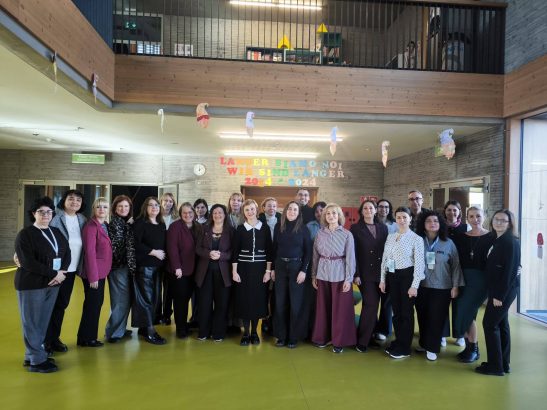
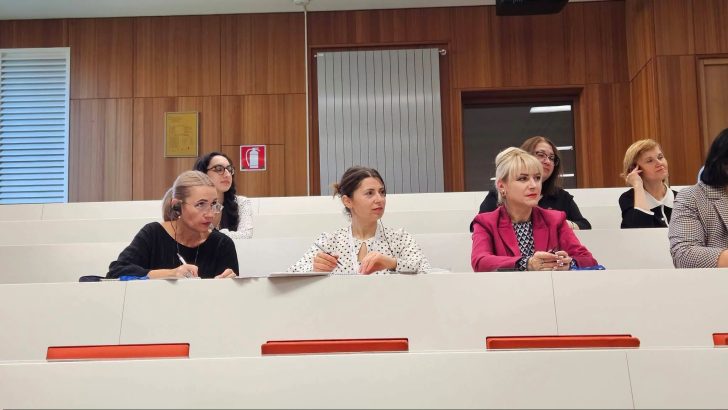
Through joint projects and daily interactions between the two linguistic communities, the school promotes cooperation, mutual respect and an inclusive educational environment, reflecting the intercultural vision of the intellectual and peace advocate Alexander Langer.
The programme continued at Eurac Research with a session led by Prof. Andrea Abel, dedicated to defining and assessing multilingual competencies, followed by discussions on institutional experiences in implementing multilingual education.
“The visit to Alexander Langer School was an extremely valuable experience for the delegation members, giving us the opportunity to observe firsthand how multilingual education works in the classroom. This experience demonstrated that the success of such a model depends on teacher training, the teaching methods used, and the natural integration of multiple languages into learning activities,” noted Angela Cara, Education Adviser at CMI.
The Ladin Model: Three Languages, Including a Minority Language, in Schools and Kindergartens
On 19 November, the delegation travelled to the Ladin Valley – Val Gardena, where participants visited a primary school and a kindergarten in which education is provided in three languages: Ladin, Italian and German.
Participants observed classroom activities and saw firsthand how the three languages are integrated into teaching and learning from an early age.
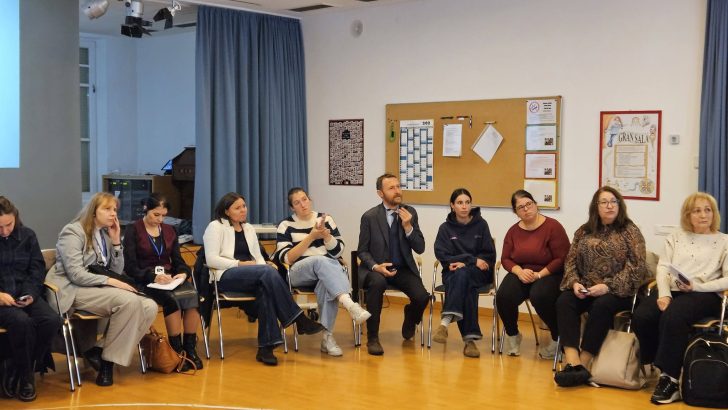
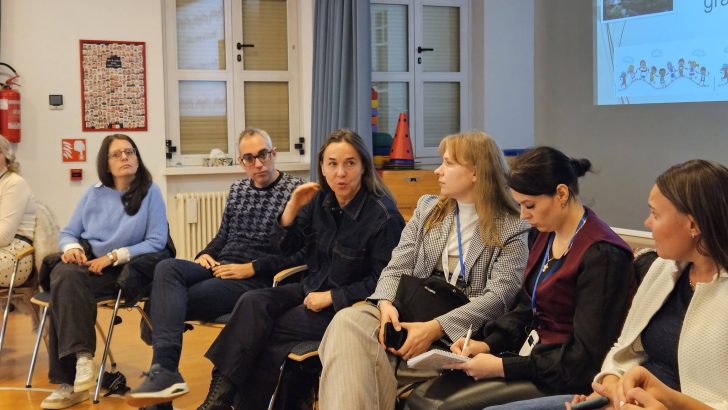
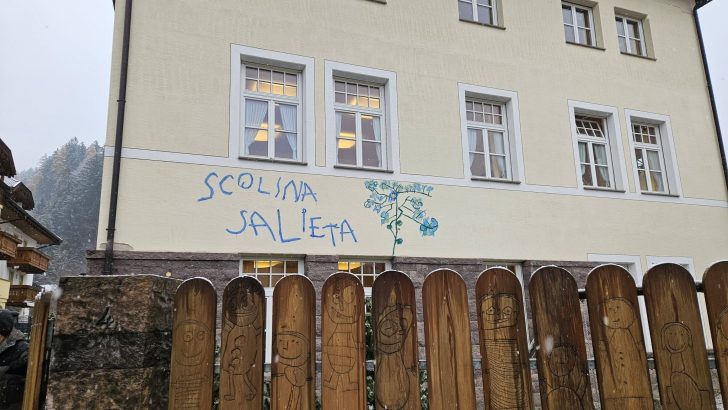
The Ladin model is characterised by the balanced use of Italian and German in teaching school subjects, alongside the preservation and promotion of Ladin, a language spoken by a minority community.
The visits highlighted the welcoming and inclusive atmosphere in educational institutions, student autonomy, the use of multilingual teaching materials and the integration of languages into everyday activities. Another appreciated aspect was the involvement of the local community in developing an educational model that contributes to preserving linguistic and cultural identity.
“For the Maria Marunevich Scientific Research Centre, this visit has been an extremely valuable source of practical solutions. As our primary mission is to develop teaching materials for multilingual education, with a particular focus on preserving the Gagauz language, South Tyrol’s experience is especially relevant to our work,” stated Irina Constantinova, Director of the M. Marunevich Scientific Research Centre.
The experience of the Ladin model offers relevant examples, particularly for the Autonomous Territorial Unit of Gagauzia, of how multilingual education can simultaneously contribute to promoting the mother tongue, developing competencies in other languages and strengthening social cohesion.
From Lessons Learned to Priorities for the Republic of Moldova
On 20 November, the study visit concluded with a reflection session at Eurac Research, moderated by Elisabeth Alber, with the participation of experts Zdenka Machnyikova and Angela Cara.
Participants reflected on the lessons learned and discussed ways to build on these experiences in the development and implementation of multilingual education in the Republic of Moldova.
One of the key messages emerging from the discussions was the need to develop Moldova’s own model of multilingual education, adapted to the national context, available resources and the needs of linguistic communities.
The main conclusions and proposals focused on five priority areas:
- Language policies: enhancing the prestige of minority languages, promoting linguistic diversity and strengthening the role of local communities.
- Teacher training: adapting initial teacher education and continuous professional development programmes to the requirements of multilingual education.
- Educational resources: developing multilingual teaching materials and providing continuous methodological support for teachers.
- Funding and institutional support: identifying the resources needed to implement multilingual education and strengthening school autonomy.
- Cooperation and research: developing interinstitutional and international partnerships and promoting applied research in multilingual education.
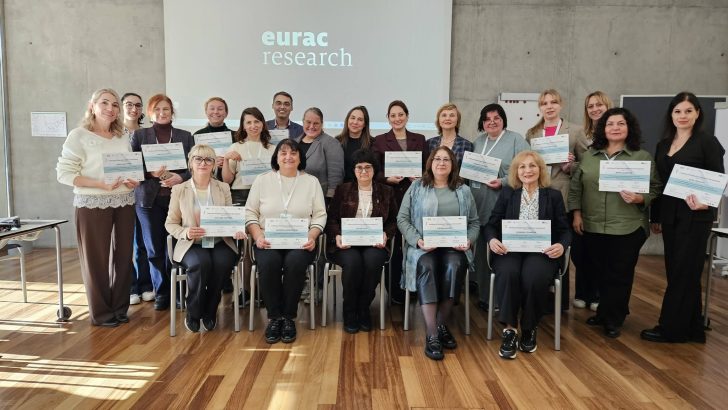
Participants highlighted the importance of continuing the piloting process, engaging parents and communities, and strengthening cooperation between public authorities, universities and educational institutions.
Continuing Cooperation
The study visit represents an important step in the cooperation between CMI, Eurac Research and institutional partners from the Republic of Moldova in developing multilingual education.
The experience gained contributes to strengthening the competencies of education specialists, including the group of multilingual education trainers, and provides practical guidance for implementing education policies, developing teaching resources and supporting institutions piloting multilingual education.
By supporting multilingual education, CMI contributes to promoting linguistic diversity, equitable participation and social cohesion, encouraging an education system in which languages and cultural identities are respected and valued.


