
On July 10, 2026, the study “The Role of Women in Peace Processes: Needs and Prospects for the ATU Gagauzia” was presented in Chisinau during a roundtable organized by CMI – Martti Ahtisaari Peace Foundation, in partnership with the Platform for Security and Defense Initiatives (PISA), as part of the “Gagauzia Dialogue” project, implemented with support from Sweden.
The event brought together representatives of public authorities, international organizations, diplomatic missions, civil society, and experts in the fields of peace, security, and gender equality to discuss the research findings and prospects for implementing the Agenda “Women, Peace, and Security” in ATU Gagauzia.
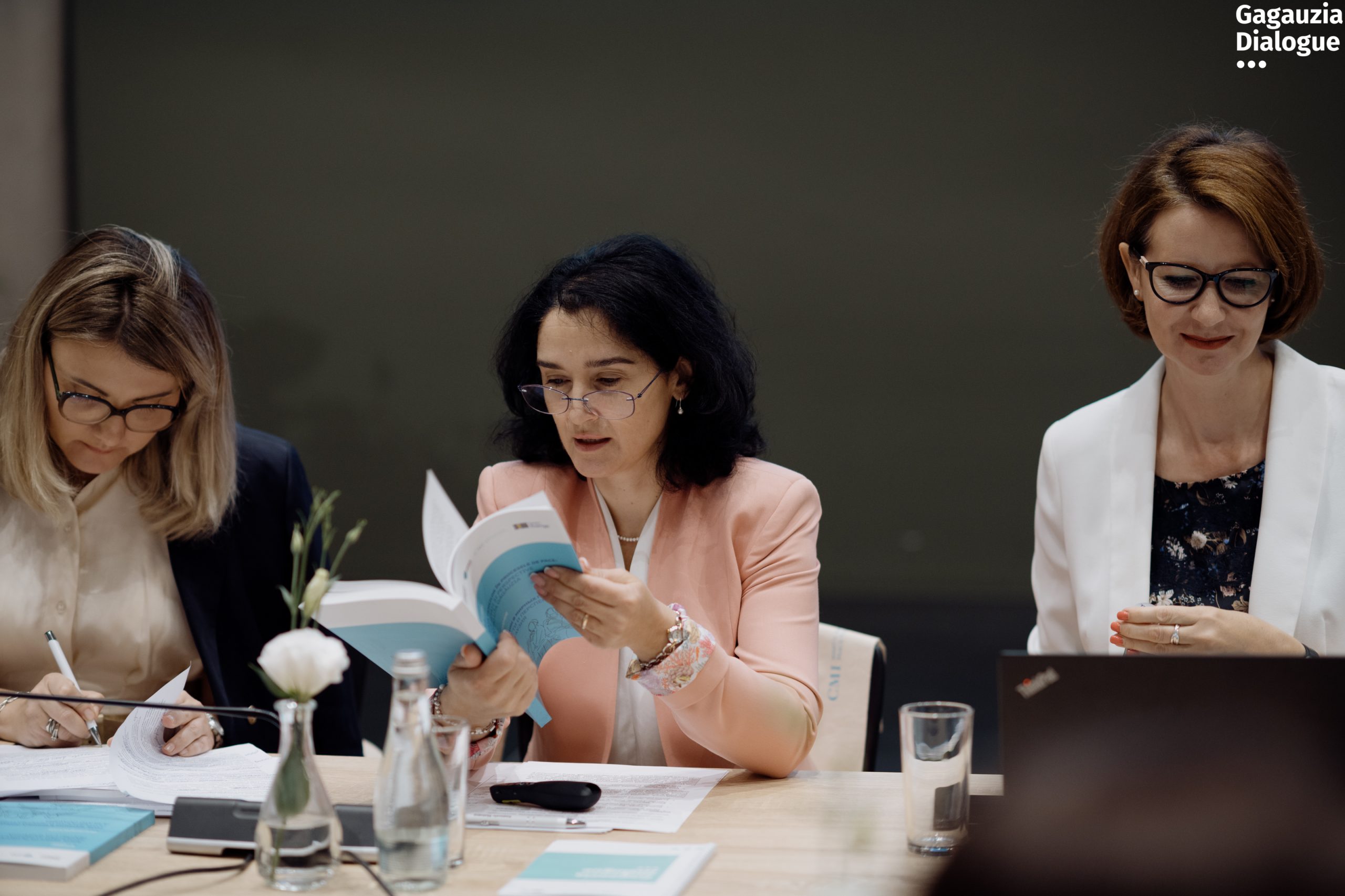
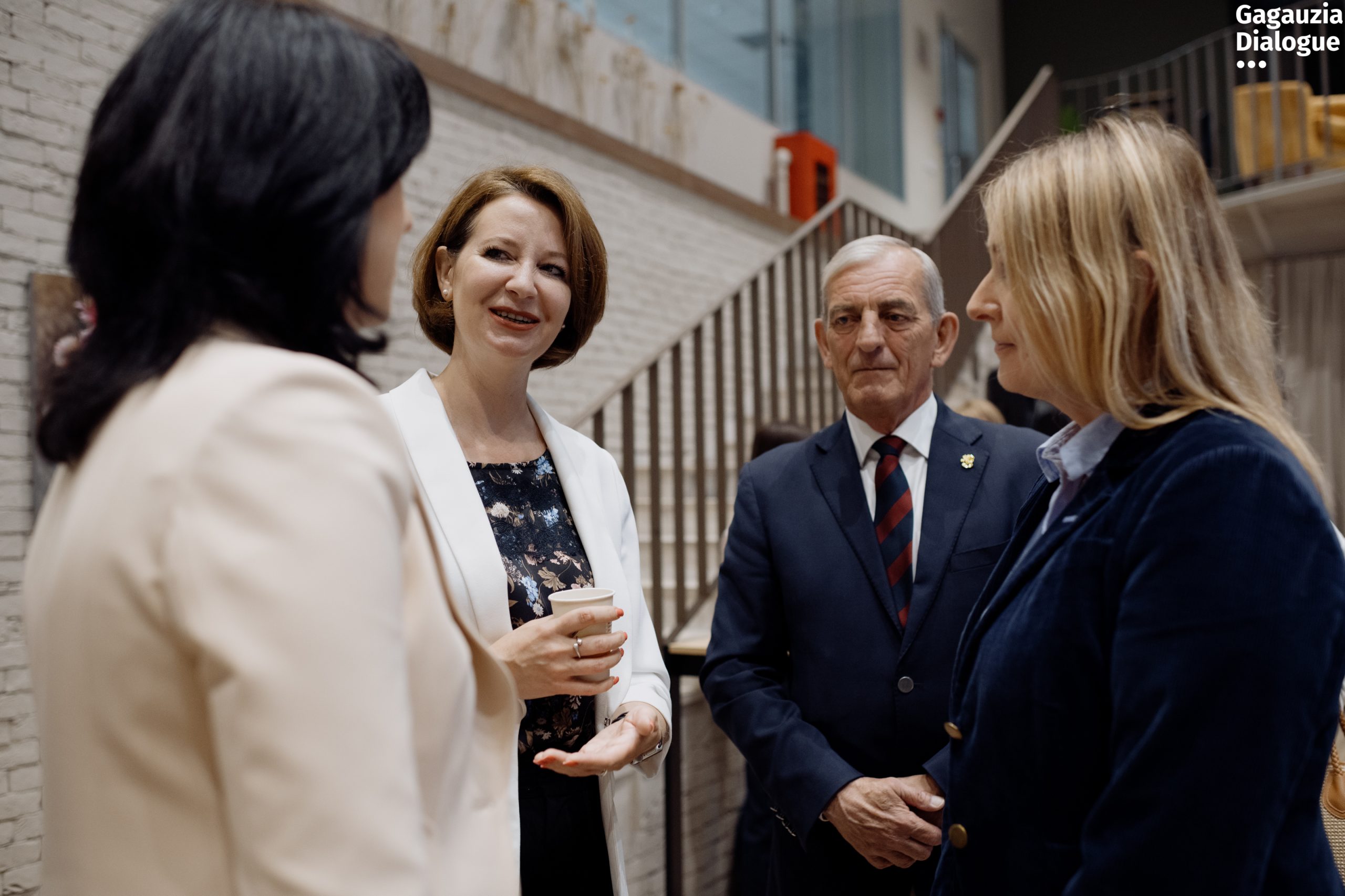
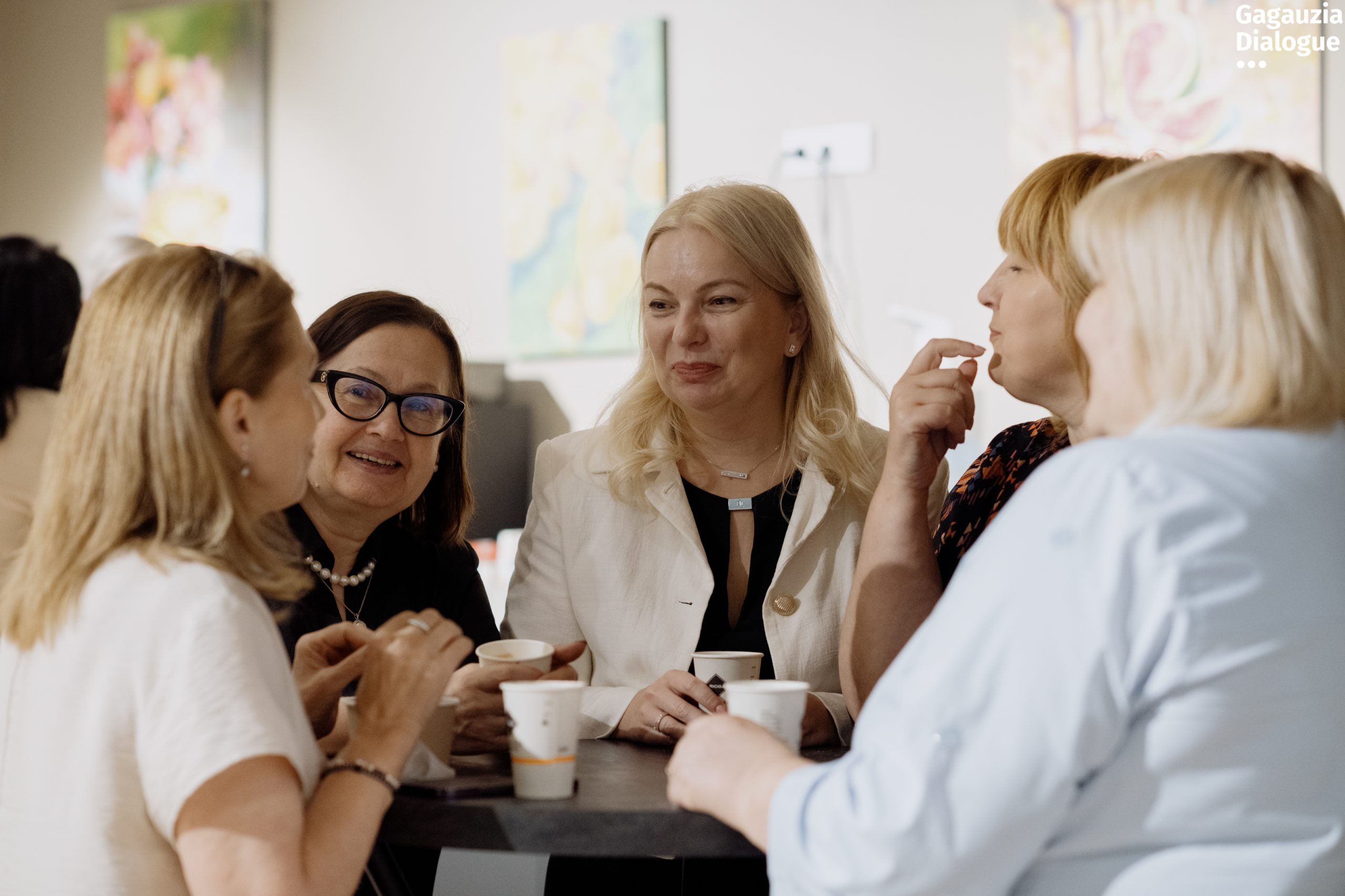
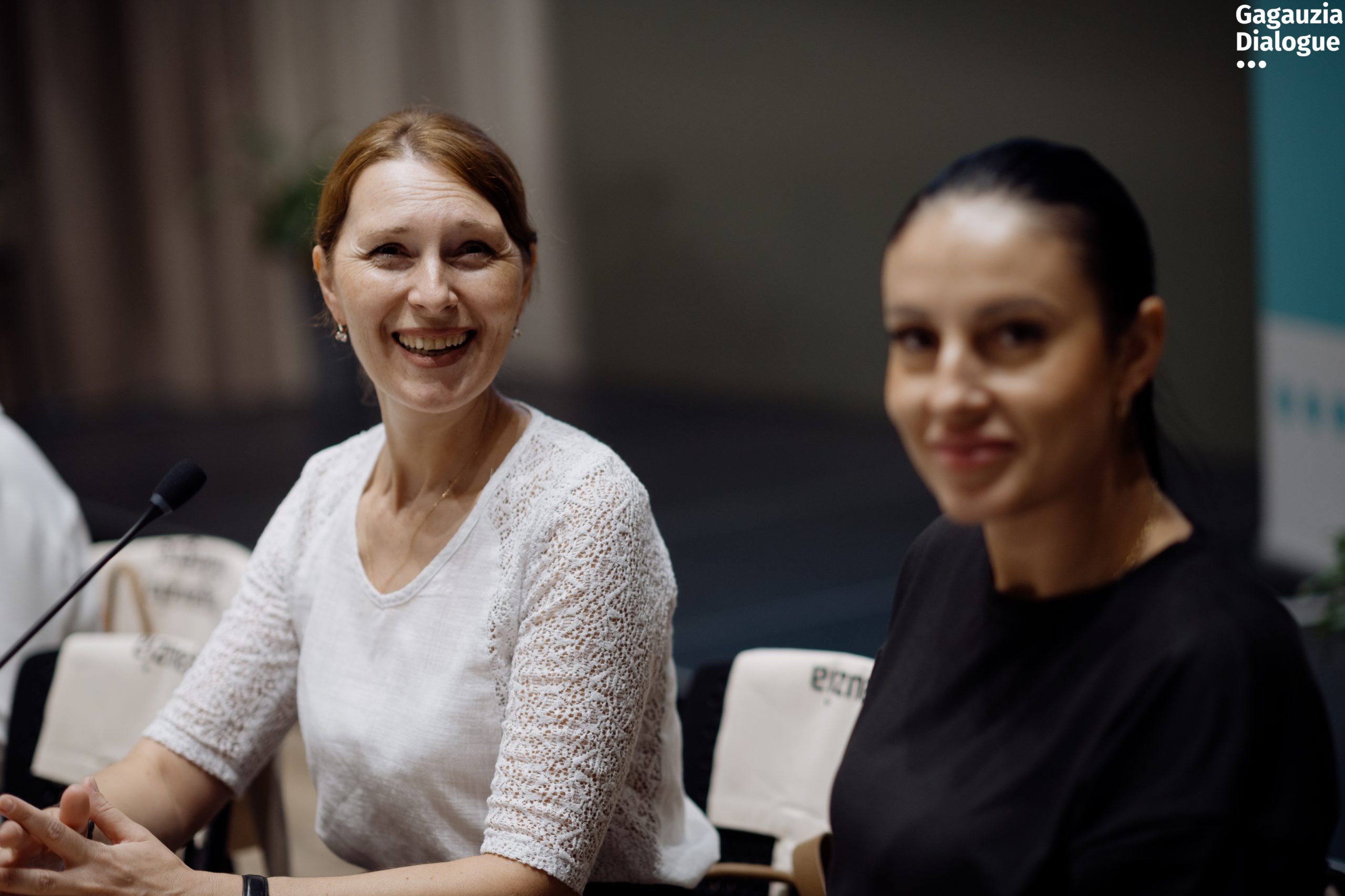
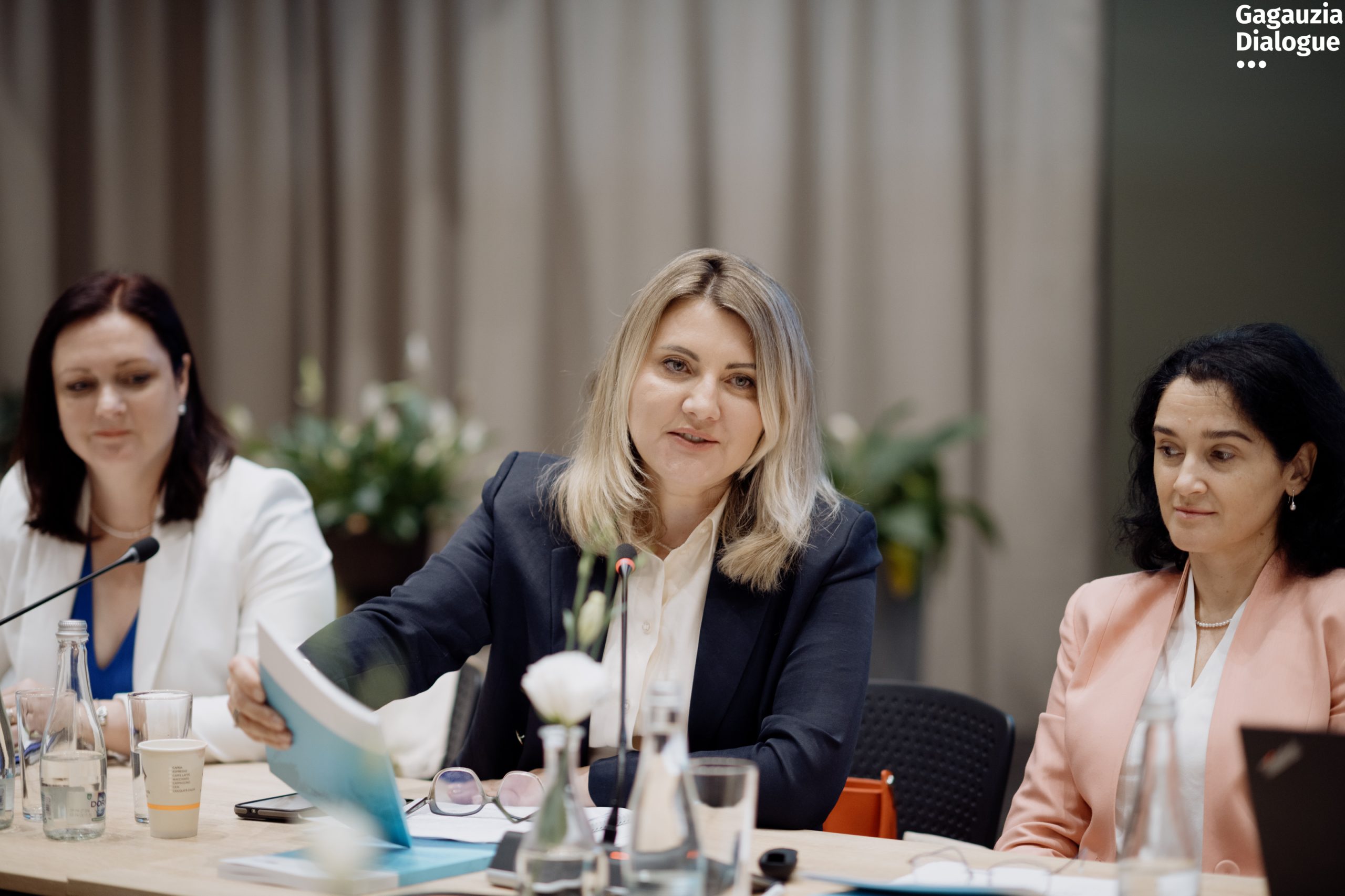
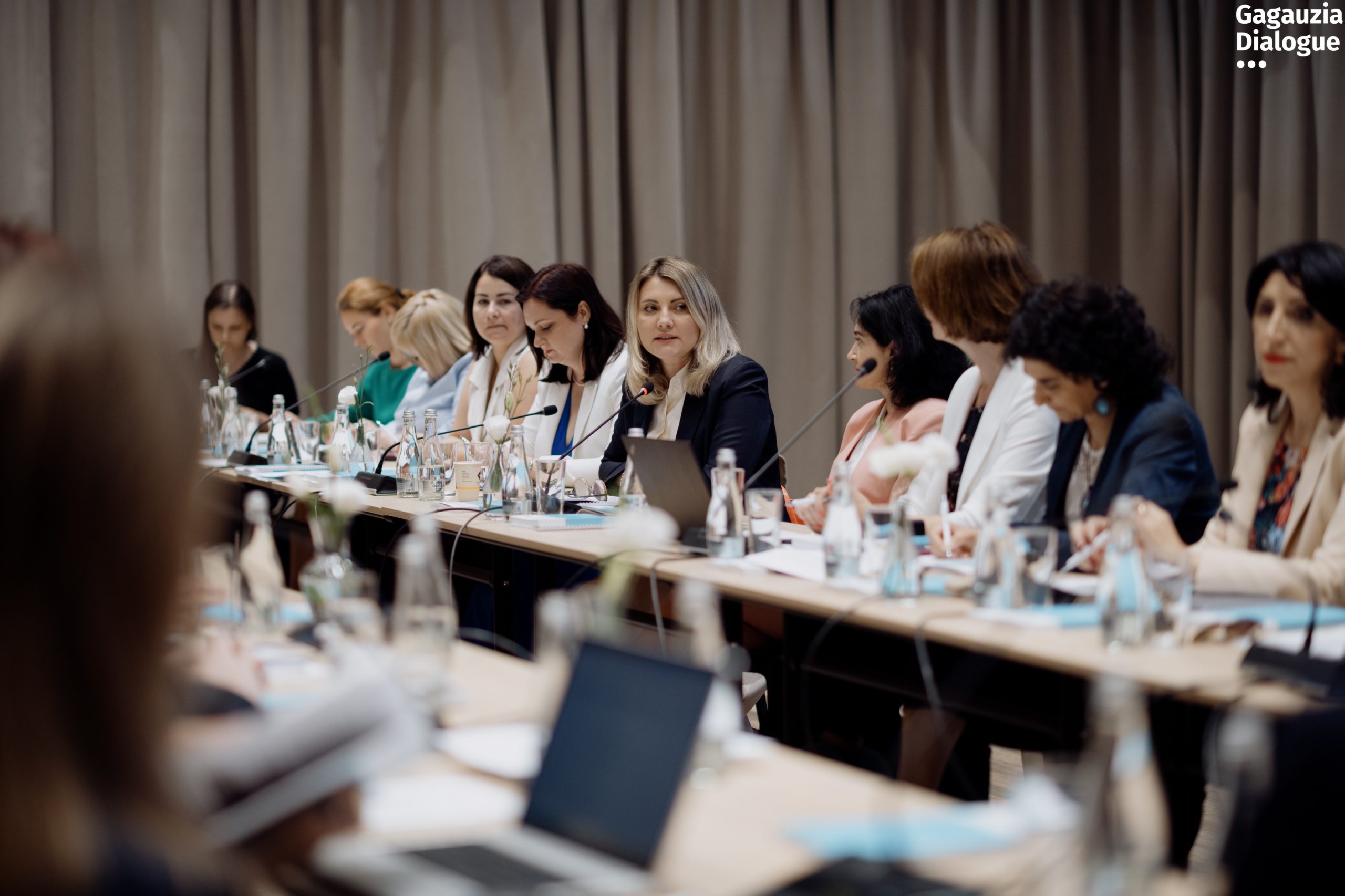
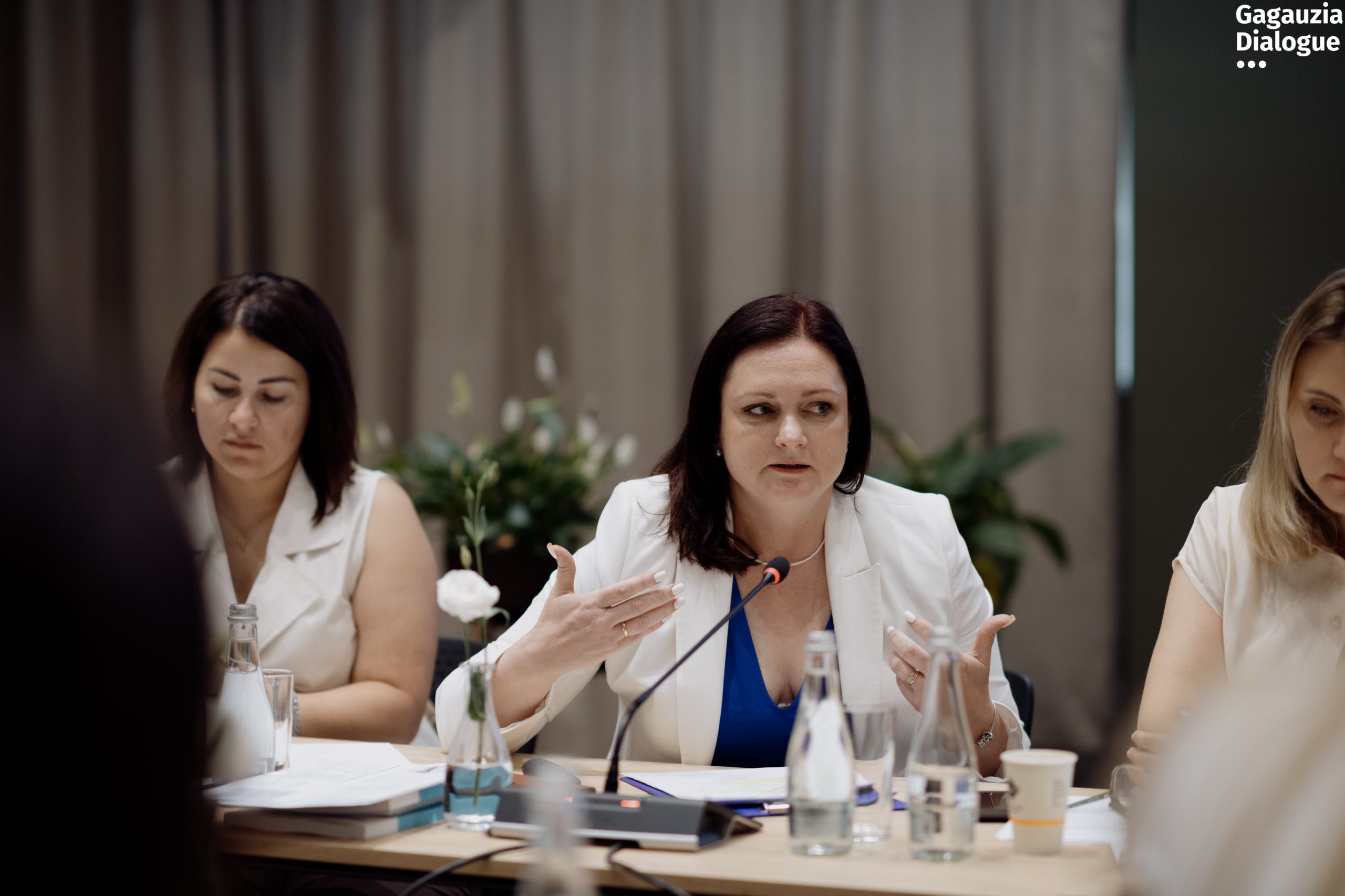
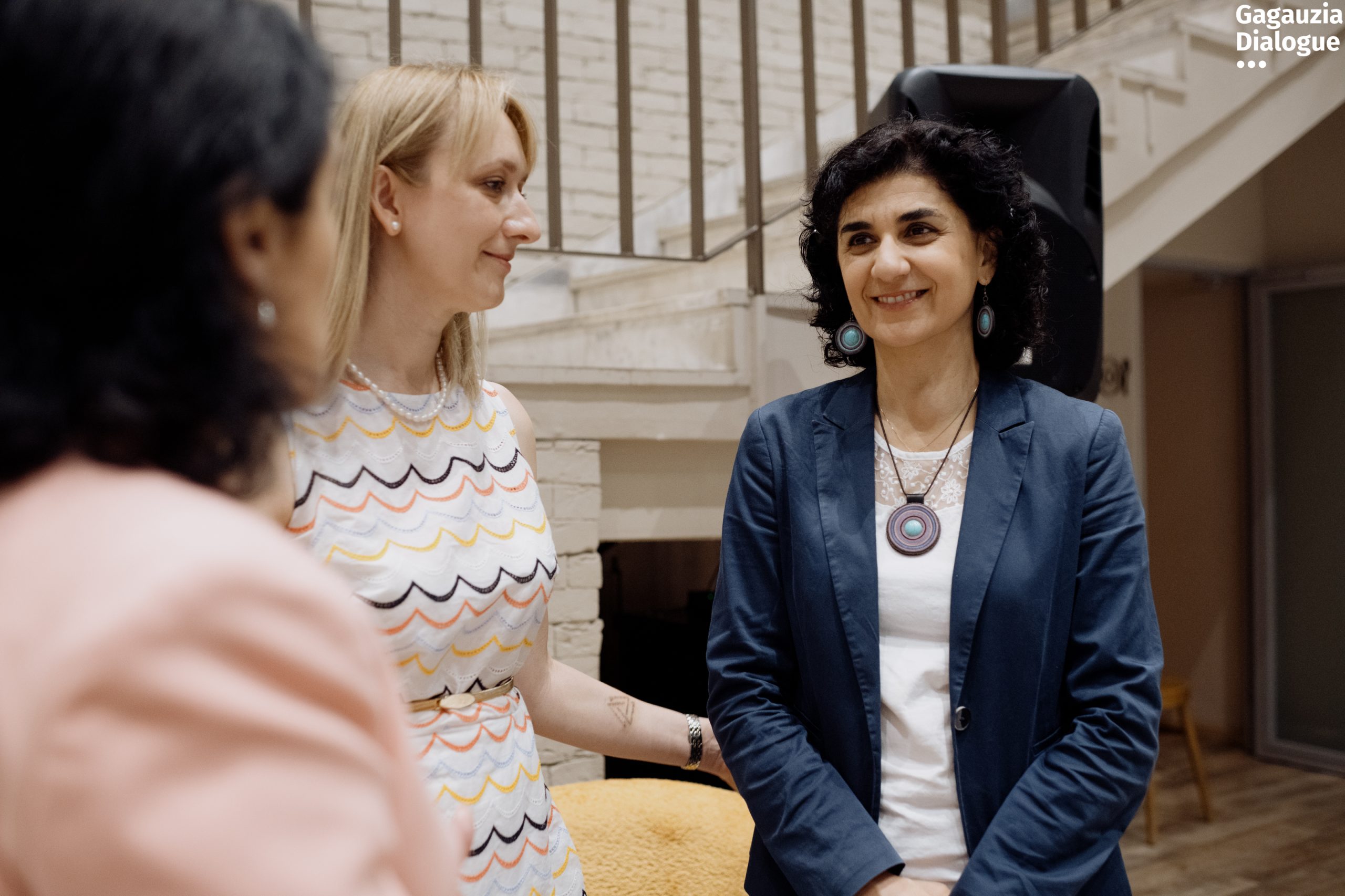
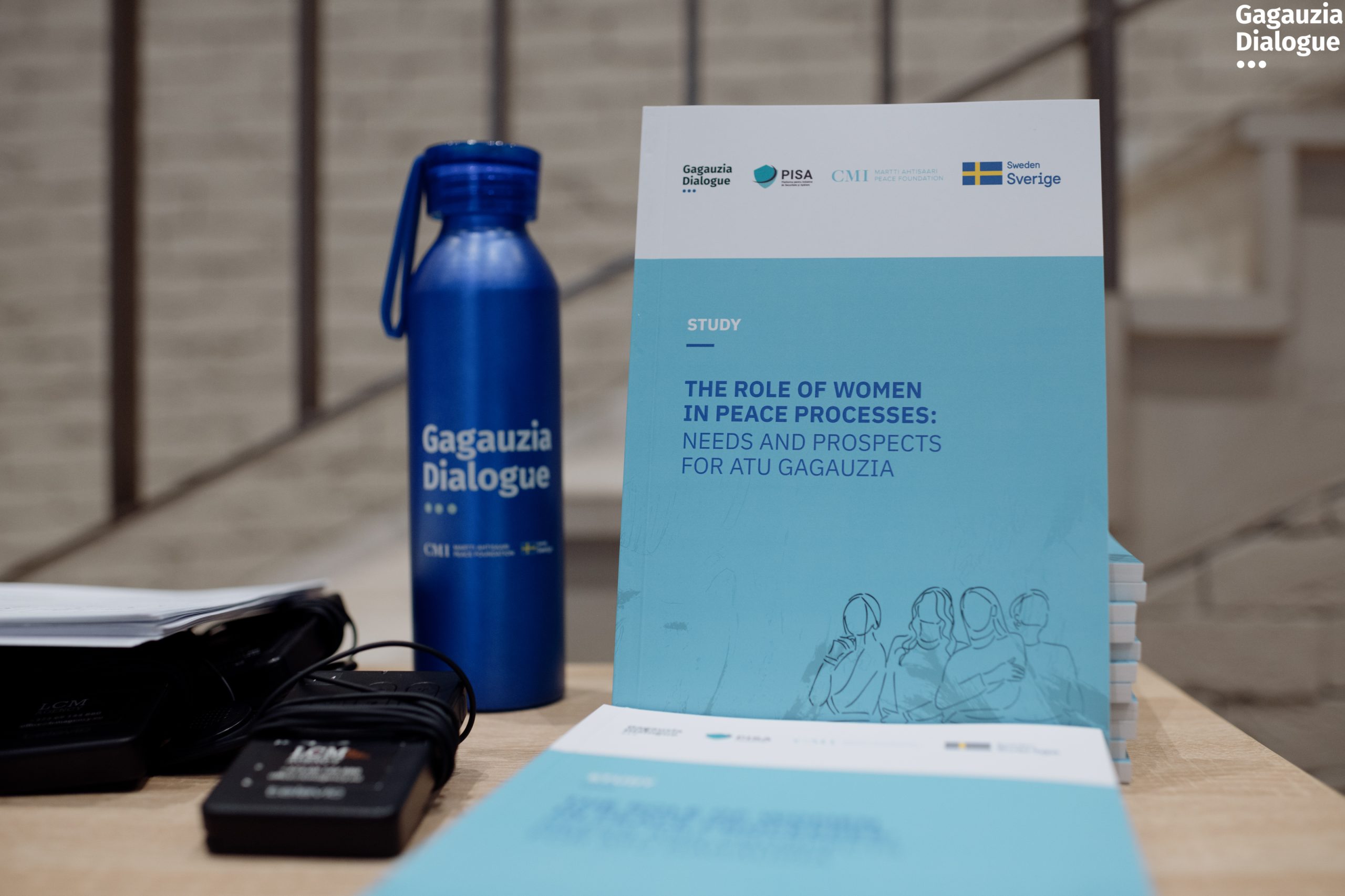
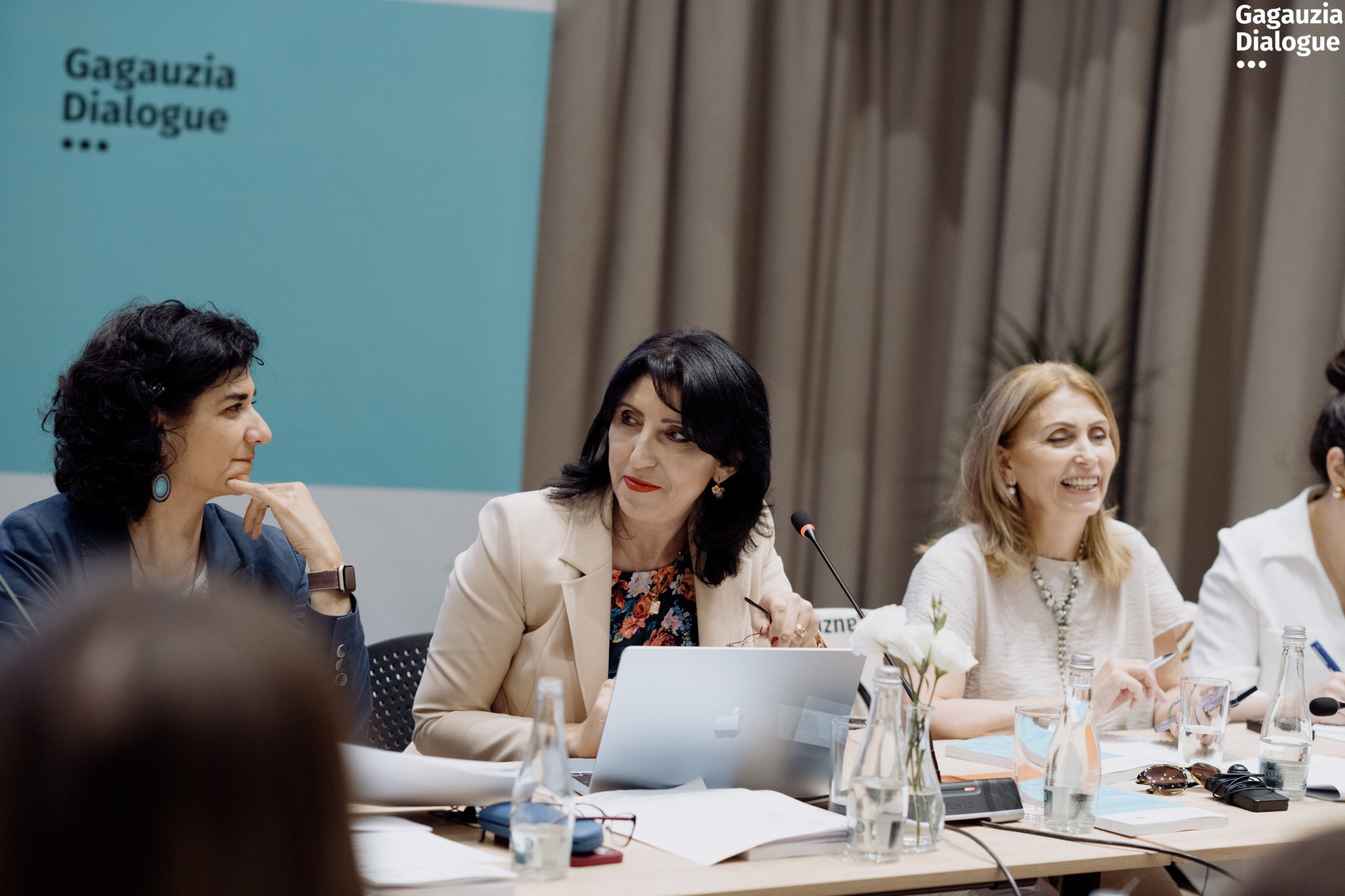
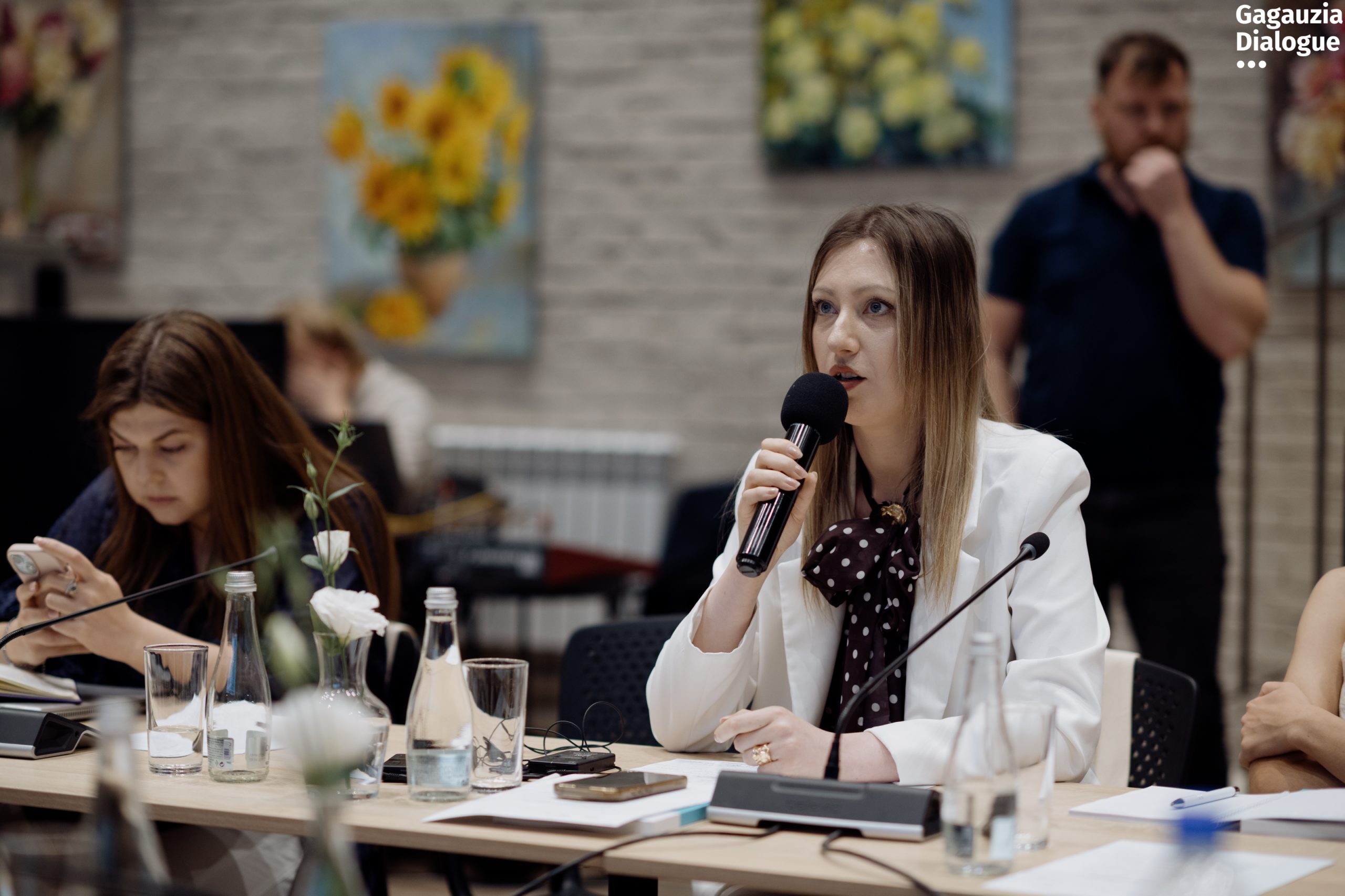
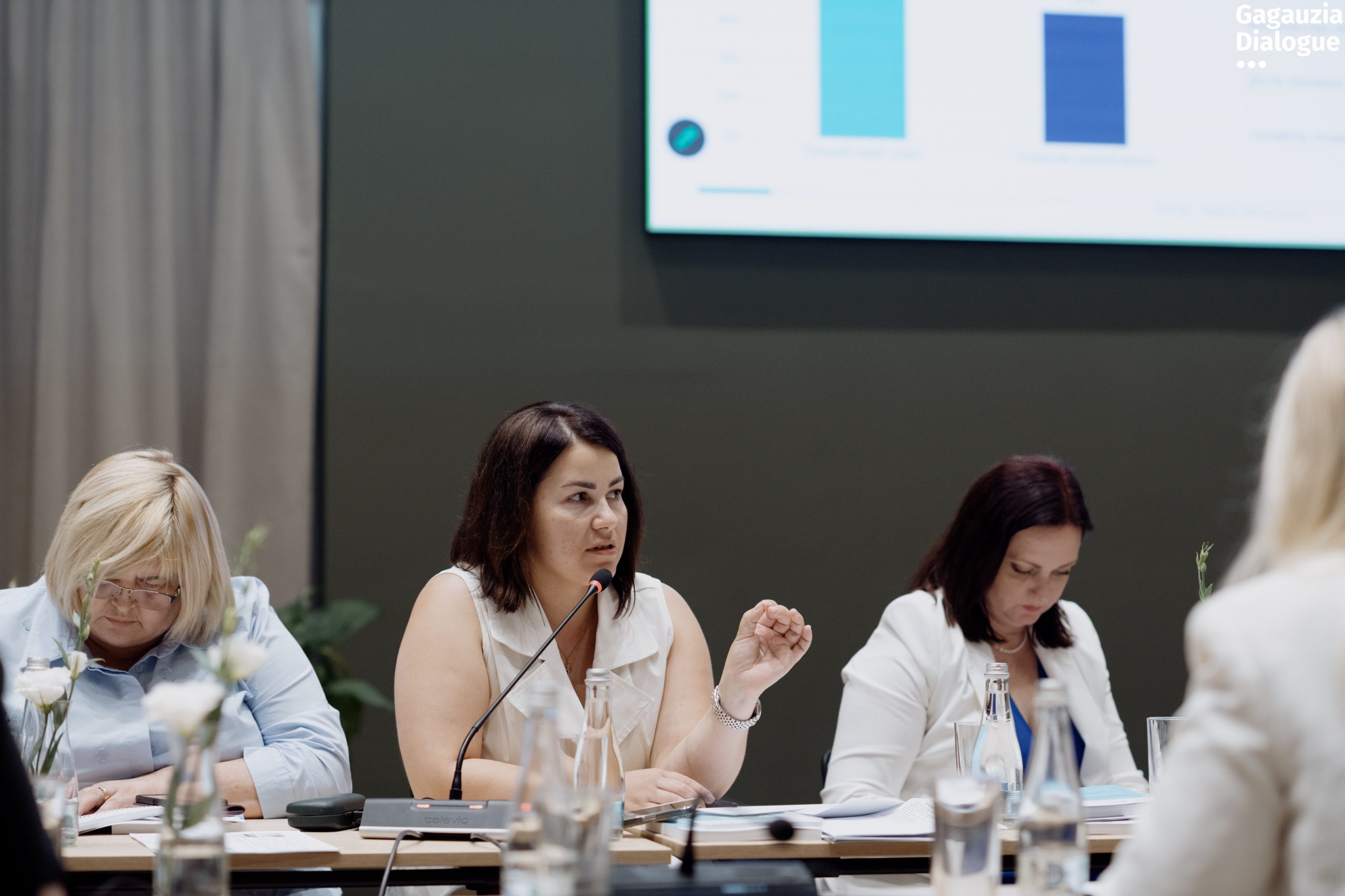
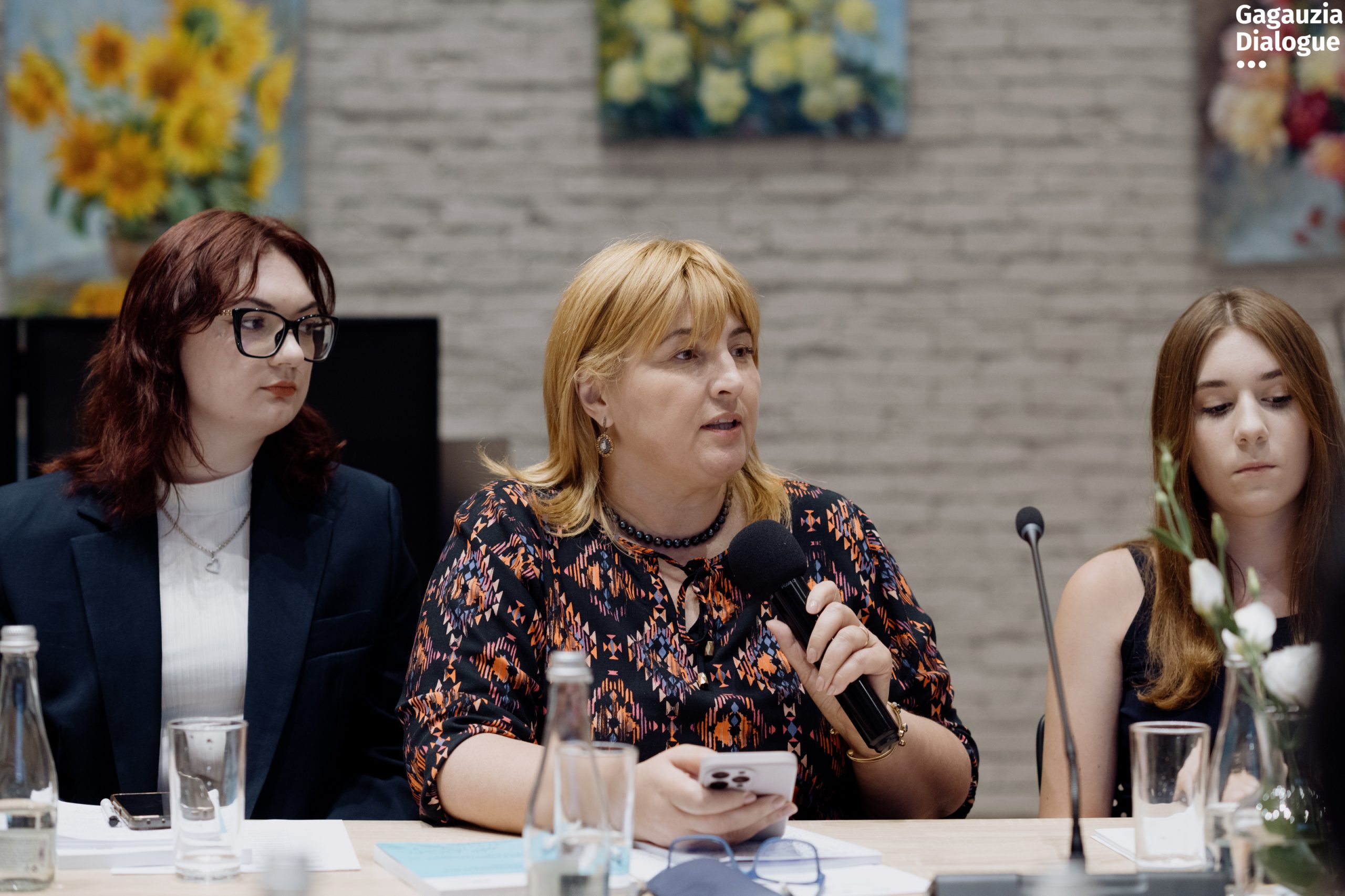
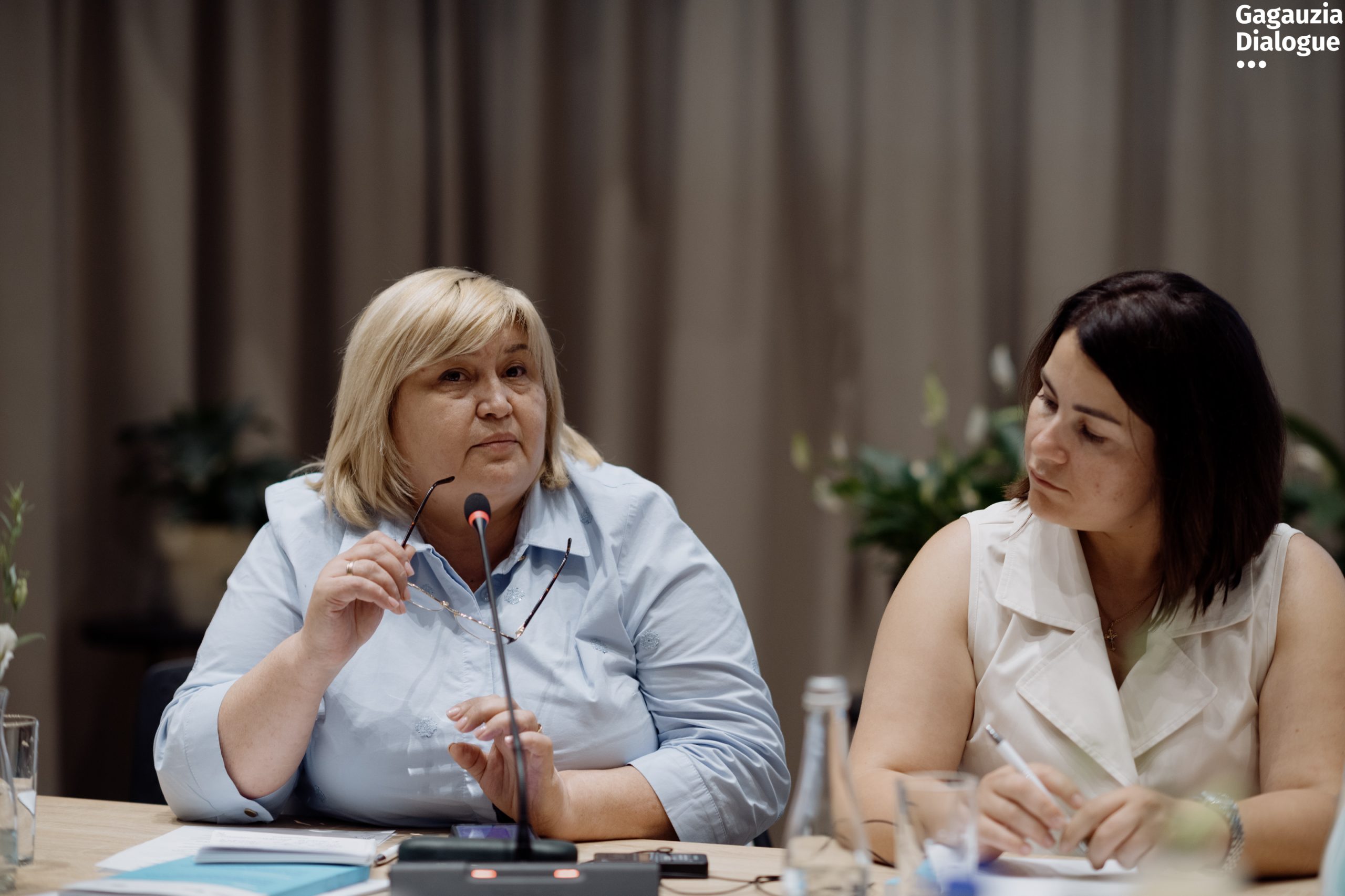
The highlight of the event was the presentation of the study “The Role of Women in Peace Processes: Needs and Prospects for ATU Gagauzia,” authored by Elena Marzac, Natalia Albu, and Rodica Panta, with contributions from Ecaterina Jecova and Irina Mihalciuc. The study analyzes the barriers and opportunities regarding women’s participation in dialogue and peacebuilding processes, offering recommendations for adapting the WPS Agenda to the specific context of Gagauzia.
In her opening remarks, Natalia Djandjgava, country manager of CMI – Martti Ahtisaari Peace Foundation, emphasized that lasting peace can only be built through the participation of all voices in society.
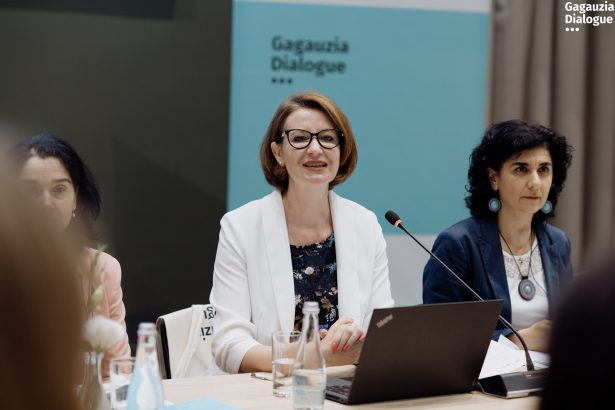
The study we are presenting today is relevant precisely because it is grounded in the local realities of the Gagauzia. It shows that women are already active in community life, education, public administration, civil society, the media, civic initiatives, and social support. CMI’s approach is closely linked to the conviction that women should not be viewed merely as beneficiaries of peace but as agents of peace, participants in analysis, dialogue, conflict prevention, and the development of solutions. A peace built without the meaningful participation of women risks being incomplete.
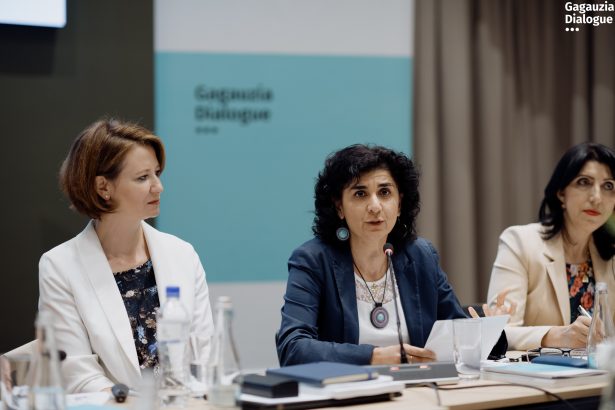
At CMI, strengthening women’s capacity for political action has long been a central element of our approach to conflict prevention and mediation. We do not view women merely as participants who need to be included in a process, but rather we strive to connect women actors, movements, and organizations with the spaces where decisions are actually made, – said Marina Danoyan, project manager for Women in the Peacemaking, CMI.
The event featured a presentation of the research’s main findings, the context surrounding the implementation of the Agenda “Women, Peace, and Security” in Gagauzia, the perspectives of local communities, and examples of best practices for linking local needs with international experience in the field of women’s participation in peace processes. The discussions highlighted the need to strengthen mechanisms for inclusive dialogue, cooperation between authorities and civil society, and the active involvement of women in decision-making processes in Gagauzia.
Participants emphasized that implementing the Agenda “Women, Peace, and Security” in Gagauzia is both a necessity and an opportunity to build trust between communities and institutions, to create participatory mechanisms tailored to the local context, and to harness women’s contributions to conflict prevention, dialogue, and social cohesion. In this regard, the agenda serves as an important tool for ensuring human security. The study “The Role of Women in Peace Processes: Needs and Prospects for ATU Gagauzia” can be accessed here.
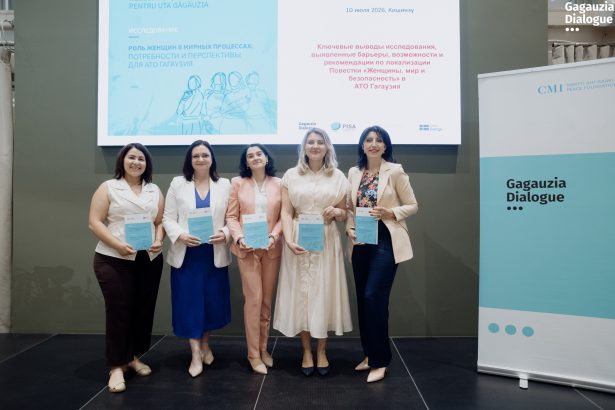
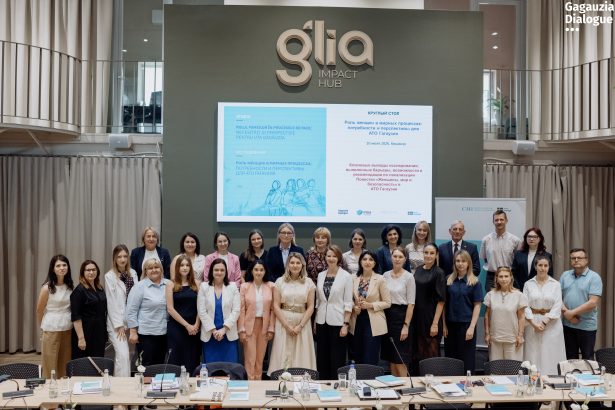
The event is part of the “Gagauzia Dialogue” project, implemented by CMI – Martti Ahtisaari Peace Foundation, with support from Sweden, which aims to strengthen inclusive dialogue and social cohesion in the ATU Gagauzia by engaging authorities, civil society, and local communities.


